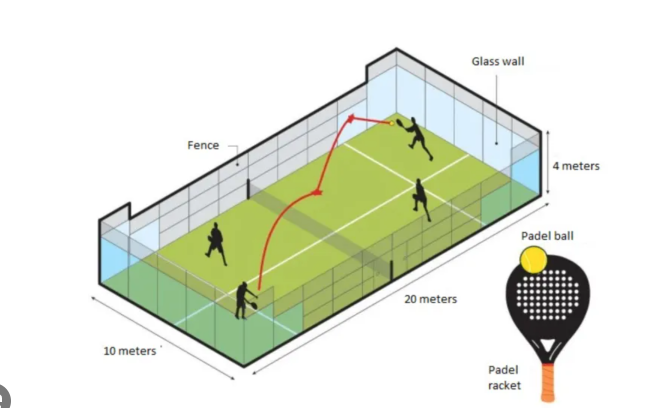
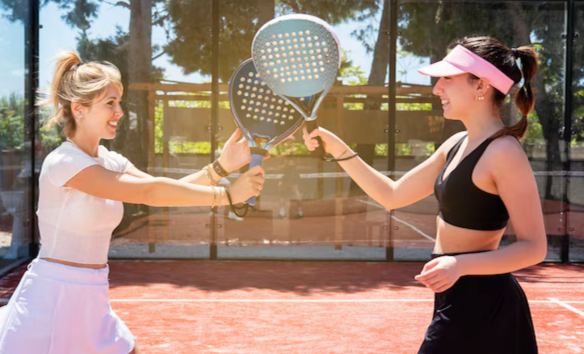
Women across the UK now play padel in rising numbers, and many clubs report steady growth each month. Courts fill on weeknights and weekends, and new players join group sessions and stay with the sport. Many clubs ran starter courses in 2024, and urban sites report full beginner slots. Sessions suit busy schedules.
Growth Across Regions
Growth is clear in cities and towns. London, Manchester, Leeds and Glasgow show rising membership figures. Small towns report new indoor courts and weekend bookings. Clubs in the South and the Midlands add extra beginner hours to meet demand. The pattern points to steady, local expansion.
Where Women Start
Many players switch from tennis or squash. Others arrive with no racket background. Clubs offer starter sessions that teach volleys, the ready position and simple lobs. Short drills help players hold rallies and feel a sense of progress in the first few weeks.
Social Play and Leagues
Social mix-ins attract large turnouts. Sessions last an hour and players rotate partners. Box leagues run across six to eight weeks. Pairs earn points each round, and match lists update after every session. These formats give clear structure and keep players engaged.
Junior Pathways
Girls aged eight to sixteen join term-time programmes at many clubs. Coaches cover contact point, court movement and simple tactics. Weekend matches follow training, and parents report fast improvement. Clubs with strong junior schedules see growing waiting lists.
Court Expansion and Indoor Play
More indoor courts open each year. New sites in Birmingham and Bristol plan full openings to keep play steady in winter. Indoor venues let clubs run more coached hours and host school sessions. This extra capacity supports year-round growth.
Workplace and Community Links
Clubs link with firms to run lunchtime and after-work sessions. These bookings turn into weekend match play and local leagues. Community groups and parks also run taster days that bring new players into clubs and rise entry numbers.
What Keeps Women Playing
Players cite steady rallies, quick progress and social interaction as key reasons to stay. Learning clear skills helps players hold the net and place the ball deep. The court size keeps points active and gives each player a chance to practise control.
Looking Ahead
The next year will bring more courts and more coached hours aimed at women. Clubs will run targeted starter blocks and extend junior programmes. The sport now offers short sessions and clear progress markers, and that mix helps retain players and grow membership across the country.