Both sports involve racquets, balls, and a court. Both demand quick reflexes and good hand-eye coordination. But padel and tennis offer wildly different experiences. Tennis has dominated British courts for over a century, while padel arrived only recently and is spreading fast. If you're deciding which sport to pick up, understanding what makes them different will save you time and money.
The Court Setup
Tennis courts measure 23.77 metres long and 8.23 metres wide for singles play. Doubles adds another 2.74 metres of width. The playing area is open, with no walls or barriers apart from the net dividing the two halves.
Padel courts are smaller at 20 metres long and 10 metres wide. Glass walls surround the court, and you can play balls off these walls just like in squash. The net sits slightly lower than a tennis net. The court is always used for doubles, which changes the game entirely.
The enclosed space makes padel more forgiving for beginners. Balls stay in play longer. You don't spend half your time chasing balls into the next postcode.
Equipment Differences
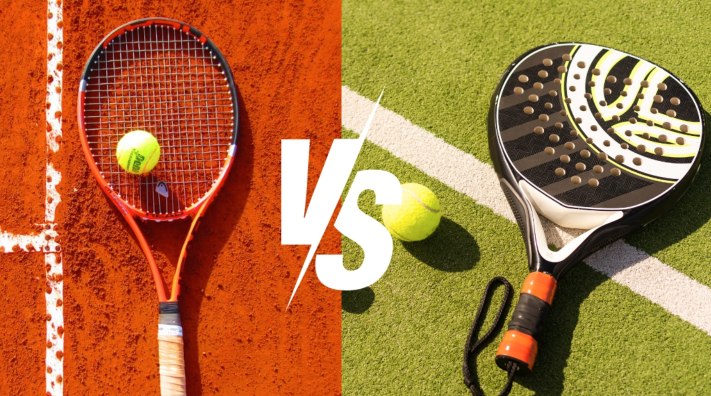
Tennis racquets have strings and weigh between 255 and 340 grams. They measure up to 73.7 centimetres long. Players choose from different head sizes, string tensions, and grip styles. The learning curve is steep. Getting the right racquet matters.
Padel racquets are solid with no strings. Holes perforate the surface. They weigh 340 to 370 grams and measure no more than 45.5 centimetres. The hitting surface is foam and fibreglass or carbon. Choosing your first padel racquet is simpler. Most beginners do fine with a mid-range model costing £60 to £100.
Tennis balls and padel balls look similar but feel different. Padel balls have less pressure, which slows them down and makes them easier to control.
Learning Curve and Skill Development
Tennis demands precision from day one. Serving alone takes weeks to master. You need to develop topspin, slice, and flat shots. Footwork is complex. The physical demands are high, especially if you play singles.
Padel is easier to pick up. Most people can rally within their first session. The underarm serve is straightforward. The walls keep balls in play, so beginners spend more time hitting and less time fetching. You can play a decent game within a month of starting.
This doesn't mean padel lacks depth. Advanced players use spin, placement, and wall angles to dominate. The doubles format creates tactical complexity. But the entry point is much lower.
Physical Demands
Tennis, especially singles, is brutal. You cover the entire court alone. Matches can last hours. The stop-start sprinting puts stress on knees and ankles. Shoulder injuries from serving are common. You need strong cardiovascular fitness.
Padel is gentler on joints. The smaller court means less running. The doubles format shares the workload. Points are shorter and more frequent. You still get a good workout, burning around 400 to 600 calories per hour. But you're less likely to hobble home with tennis elbow or a twisted ankle.
Recovery time is shorter with padel. You can play multiple times per week without destroying your body. This makes it better for people over 40 or those with previous injuries.
Social Aspects
Tennis can be solitary. Singles matches are intense, one-on-one battles. Even in doubles, you and your partner cover opposite sides of the court. Communication happens but the game often feels individual.
Padel is built for socialising. You always play doubles. Partners stand close together and talk between points. The format encourages chat and laughter. Most padel clubs have bar areas where players gather after games. The sport has exploded partly because it's as much about community as competition.
Finding partners is easier with padel. You need four people, and most clubs have WhatsApp groups or apps to arrange games. Tennis requires just two for singles, but finding regular hitting partners can be tricky.
Cost Comparison
Tennis court hire in the UK costs £10 to £30 per hour depending on location and time. Indoor courts cost more. Annual memberships at tennis clubs range from £200 to £800. A decent racquet costs £100 to £250. Balls are cheap, around £5 for a tube of four.
Padel court hire runs £20 to £50 per hour, split between four players. That's £5 to £12.50 each. Memberships at padel clubs cost £30 to £100 per month. Your first racquet will be £60 to £150. Balls cost slightly more than tennis balls.
Per person, padel often works out cheaper. The cost spreads across four players rather than two. Club memberships include social benefits like events and coaching.
Court Availability in the UK
Tennis courts are everywhere. Most towns have public courts. Clubs dot the country. Booking can be competitive at peak times but you'll find a court.
Padel courts are less common but growing fast. London has dozens of venues. Manchester, Birmingham, Edinburgh, and other major cities now have multiple clubs. Smaller towns are catching up. New courts open monthly.
The padel boom means booking can be tough, especially evenings and weekends. Some clubs report 90% occupancy. This will ease as more courts are built.
Weather and Year-Round Play
British weather murders outdoor sports. Tennis players know the frustration of cancelled matches. Many tennis courts are outdoor, limiting play to dry days between April and September.
Most UK padel courts are indoor or have roofs. You can play year-round regardless of rain or cold. This makes padel more reliable for regular players. No more checking weather forecasts or rescheduling.
Some argue outdoor tennis on a summer day beats anything. Fair point. But reliable, year-round play has clear advantages for building skills and staying active.
Competitive Opportunities
Tennis has a massive competitive structure. Local leagues, county competitions, and national tournaments run throughout the year. The LTA organises events for all ages and abilities. Wimbledon inspires millions.
Padel's competitive scene is newer but developing. The UK now has regional leagues and national championships. The LTA added padel to its remit in 2019. Professional tours visit Britain. The sport's growth means more competitive opportunities arrive monthly.
If you dream of competing at a high level, tennis offers more established pathways. But padel's rapid growth means early adopters can reach the top of British rankings faster.
Which Sport Suits You?
Choose tennis if you want a traditional sport with deep history and established competitive structures. Pick tennis if you enjoy singles play and don't mind the steeper learning curve. Choose tennis if physical intensity appeals to you.
Choose padel if you want something social and easy to learn. Pick padel if you prefer doubles and team play. Choose padel if you want year-round play without weather worries. Pick padel if you're over 40 or have joint concerns.
You can play both. Many people do. The skills transfer reasonably well. Ball sense, positioning, and tactical thinking apply to both sports.
The Verdict
Neither sport is objectively better. They offer different experiences. Tennis rewards individual brilliance and provides centuries of tradition. Padel delivers immediate fun and builds community fast.
Try both if possible. Most tennis clubs now offer taster sessions. Padel clubs run beginner classes weekly. Book a lesson in each sport. See which one clicks.
The best sport is the one you'll actually play. If padel gets you on court three times per week while tennis would be once per month, padel wins. If you love the challenge and history of tennis, that's your answer.
Both sports will keep you fit, challenged, and connected to other players. Both beat sitting on the sofa. Pick one and start playing.