Padel has exploded across Britain in the past three years. Courts have appeared in car parks, industrial estates, and sports clubs from Edinburgh to Brighton and beyond. Membership waiting lists stretch for months. What looked like a niche import from Spain now feels like a permanent fixture in British sport. The question is no longer whether padel will succeed here but how big it will become.
Court Construction Will Accelerate
Britain had around 300 padel courts at the start of 2023. By late 2025, that number had quadrupled. By 2030, expect to see more than 2,000 courts nationwide. Property developers are spotting the opportunities. They can fit four padel courts in the space needed for two tennis courts. Construction costs run between £25,000 and £40,000 per court for outdoor installations.
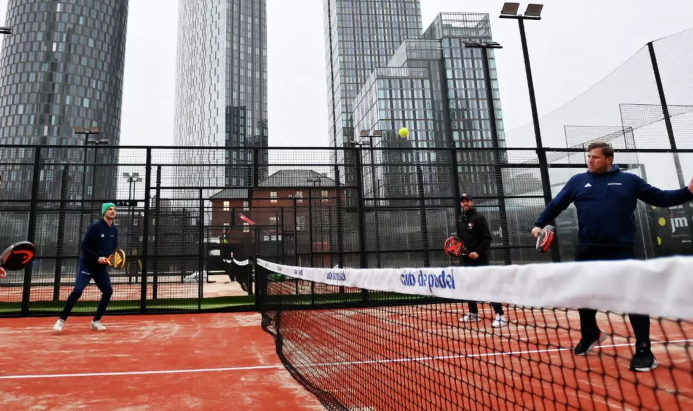
Investors are backing dedicated padel centres too. Game4Padel opened a 12-court facility in Manchester in 2024. Similar projects are planned for Birmingham, Leeds, and Glasgow. These venues offer bars, coaching, and year-round indoor play. They treat padel as a lifestyle product, not just a sport.
Existing tennis clubs face a choice. Many are converting underused tennis courts. David Lloyd clubs have led this trend, adding padel to 30 locations since 2022. Other chains will follow. Tennis memberships have declined for years. Padel offers a way to fill courts and attract younger members.
Participation Numbers Will Triple
About 150,000 people in Britain played padel at least once in 2024. That figure should reach 450,000 by 2029. The sport attracts a broad demographic. Players in their 30s and 40s dominate, but retirees and teenagers are joining too. Women make up 40% of regular players, a higher proportion than in tennis.
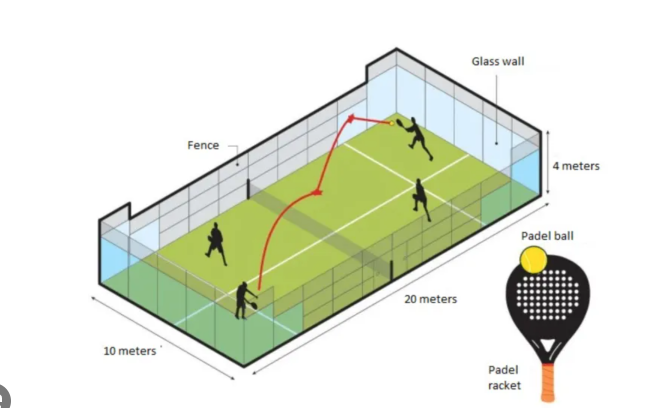
The social element drives growth. Four people share a court. Doubles is the standard format. Players rotate partners and opponents between games. The structure makes it easy to meet people. Many clubs report that members come as much for the post-game drinks as for the sport itself.
Corporate bookings are rising fast. Companies use padel for team-building and client entertainment. The game is easy to learn, keeps everyone engaged, and takes 90 minutes including a drink afterwards. Law firms, tech startups, and banks have all embraced it. This corporate demand will push participation higher.
Professional Tours Will Expand
Britain hosted its first Premier Padel event in 2024 at London's Copper Box Arena. The tournament sold out. Prize money topped £200,000. More high-level events will come to British shores. Manchester, Birmingham, and Edinburgh are all potential hosts.
A domestic professional circuit will emerge too. British players currently travel to Spain or Sweden for competitive matches. A UK-based tour would cut travel costs and raise the sport's profile. Sponsors are interested. Betting companies, sports drink brands, and fitness chains all see opportunities.
British players will start competing at the top level. The country produced no ranked professionals in 2023. By 2029, expect to see British names in the world's top 100. Youth academies are training the next generation. Some talented junior tennis players are switching to padel where competition is less fierce.
Schools and Universities Will Adopt Padel
State schools struggle to maintain tennis programmes. Courts crack, nets sag, and budgets shrink. Padel offers a cheaper alternative. The glass walls need less maintenance than clay or grass. Four players can share a court, making coaching more efficient. Some state secondaries in London have already installed courts.
Private schools are moving faster. Wellington College, Millfield, and Sedbergh School all have padel facilities. They market the sport to parents as modern and sociable. More independent schools will add courts over the next five years. The cost looks modest compared to rowing boathouses or equestrian centres.
Universities are catching up. Bristol, Durham, and Loughborough all have student padel clubs. Manchester Metropolitan University opened four courts in 2024. Student demand is strong. Padel fits into busy schedules better than team sports that need 15 players for training. BUCS competitions will likely include padel by 2027.
Technology Will Transform Booking and Coaching
Court booking remains chaotic. Some clubs use WhatsApp groups. Others have clunky websites. By 2029, expect slick apps that show real-time availability across multiple venues. Players will book courts, find partners, and track their statistics in one place. Swedish app Playtomic is expanding into Britain. Local competitors will emerge.
Coaching will go digital too. Video analysis is already standard at top academies. But mass-market coaching apps will appear, offering drills, technique tips, and progress tracking. Artificial intelligence will analyse your forehand and suggest corrections. This tech will democratise coaching, making it accessible beyond expensive one-to-one lessons.
Smart courts might arrive. Sensors could track ball speed, shot placement, and movement patterns. Players would get instant feedback on their phones. The technology exists in tennis. Padel will adopt it as courts proliferate and competition for members increases.
Pricing Will Stabilise and Diversify
Court hire currently costs £30 to £50 per hour in London, split between four players. Prices are lower outside the capital. This pricing keeps padel affordable compared to golf or skiing. But as supply increases, expect more varied pricing models.
Off-peak discounts will become standard. Weekday mornings and early afternoons see little use. Clubs will slash prices to fill these slots. Some venues might offer subscription models, charging £50 per month for unlimited play during quiet hours. This would attract retirees and shift workers.
Premium options will emerge too. Some clubs will offer air-conditioned courts, premium balls, and lounge access for double the standard rate. Others will stay budget-focused, using older equipment and outdoor courts. This market segmentation will broaden padel's appeal.
Media Coverage Will Increase
Television largely ignores padel now. BBC Sport mentions it occasionally. Sky Sports has shown a handful of international matches. By 2029, expect regular coverage. A British player winning a major tournament would change everything. Media loves a home success story.
Streaming platforms offer a quicker route. Amazon Prime or DAZN could pick up padel rights cheaply and build an audience. The sport works well on screen. The glass walls let cameras capture every angle. Rallies are fast and visually exciting. Matches rarely exceed two hours.
Podcasts and YouTube channels dedicated to British padel will multiply. These platforms need less investment than broadcast TV. They can build loyal niche audiences. Some will focus on tactics and technique. Others will cover gossip, player profiles, and club reviews. This content will fuel the sport's growth.
Health and Fitness Benefits Will Drive Adoption
Britain faces an obesity crisis. Gym memberships spike in January then fade by March. Padel offers exercise that feels like fun. Players burn 600 to 800 calories per hour without noticing. The game demands constant movement but avoids the joint stress of running.
NHS trusts might prescribe padel. Some already refer patients to swimming or walking groups. Padel could slot into these social prescribing schemes. The team element provides accountability. People are less likely to skip a booked court when three others are waiting.
Mental health benefits will gain recognition too. Padel demands focus. Players can't check their phones during a match. The social interaction combats loneliness. Research will catch up with what players already know: an hour on court improves mood and reduces stress.
International Competitions Will Feature British Teams
Britain has no tradition in padel. Spain, Argentina, and Sweden dominate international competitions. But that will change. British teams will compete at European and world championships within five years. They won't win medals immediately, but they'll gain experience.
The sport is lobbying for Olympic inclusion. Padel might appear at the 2032 Brisbane Games. If that happens, British Sport will invest. Lottery funding would flow to promising players. Training facilities would improve. A British Olympic medallist in padel would turbocharge growth.
Club competitions will link British and European venues. Manchester clubs might play Valencia clubs in online leagues. This would raise standards and create storylines. British players need regular exposure to top-level competition. International club fixtures offer that without requiring full-time professional status.
Challenges Will Test the Sport's Growth
Not everything will go smoothly. Court availability might not match demand. Building regulations and planning permission slow construction. Some clubs will overestimate demand and close. This happened with squash in the 1990s.
Coaching quality varies wildly. Many instructors learned the game only two years ago. No standardised certification exists. Poor coaching could frustrate beginners and slow growth. A proper coaching structure needs developing.
The sport must avoid becoming too expensive. If only affluent areas get courts, padel will struggle to spread. Community facilities need public funding. Local councils should view padel as they view five-a-side pitches: accessible sport for everyone.
British weather poses problems too. Rain makes outdoor courts unplayable. Wind affects ball flight. Indoor facilities solve this but cost three times more to build. Britain will need covered outdoor courts as a middle ground. Think transparent roofs without walls. These exist in Scandinavia and could work here.
The Verdict
Padel will cement itself as Britain's third racket sport behind tennis and squash by 2029. Court numbers will exceed 2,000. Half a million people will play regularly. The sport will appear in schools, on television, and at major venues. British players will compete internationally. Technology will make booking and coaching easier.
The next five years will test whether padel is a fad or a lasting addition to British sport. Early signs point to the latter. The game appeals to a wide age range. It provides exercise without feeling like work. It creates community in an increasingly isolated society. Those qualities suggest padel has staying power. Britain is building the infrastructure to support that growth. Courts are coming. Players are joining. The future looks bright.