Padel in Britain still carries a reputation shaped by private clubs, high fees, and gated courts. The sport arrived through exclusive venues, and that history continues to shape who plays today. Public courts now appear in parks and leisure centres, but access remains uneven. This article examines how padel reached the UK, who it still excludes, and whether wider access is truly taking hold.
Padel’s route into the UK
Padel entered the UK through private networks rather than public sport bodies. Early courts appeared at country clubs, racquet clubs, and private estates from the mid-2000s onwards. The Lawn Tennis Association did not govern the sport at that stage. Early growth depended on individuals with land, capital, and overseas links.
Spain shaped this pathway. British players encountered padel at holiday resorts in Marbella and the Canary Islands. Clubs copied that model on return. Courts sat behind gates, and access relied on membership. This origin story still shapes perceptions today.
The cost barrier remains real
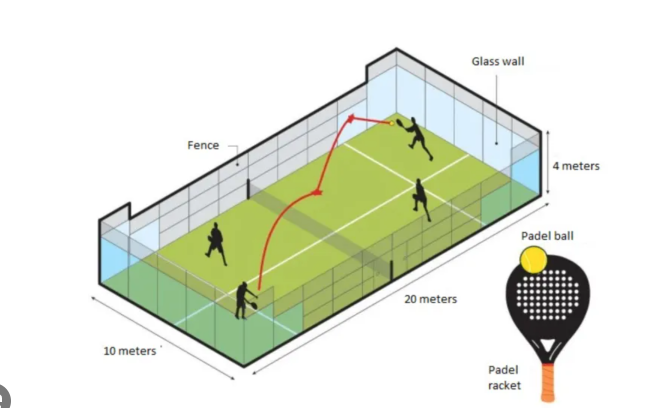
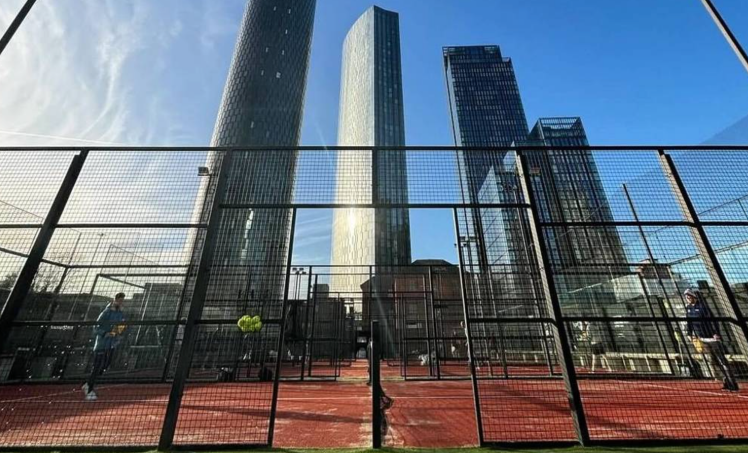
Padel courts cost more to build than tennis courts. UK estimates place construction between £35,000 and £70,000 per court, depending on roofing and ground works. Glass walls, steel frames, and artificial turf drive that figure. Operators seek rapid returns.
That pressure feeds through to players. Peak-time court hire often reaches £40 to £60 per hour in London and the South East. Rackets add another £80 to £200. Coaching sessions raise the entry cost again. These prices narrow the pool.
Who plays padel today
UK participation data remains fragmented, but club surveys show clear trends. Most regular players fall between 30 and 55. Many come from tennis or squash backgrounds. Household income skews above the national median.
Padel’s social format attracts professionals who value short sessions and flexible booking. Four players share the cost, which softens the price but does not remove it. This sharing model still relies on spare income and spare time.
Public courts and council interest
Local authorities now show interest. Councils in London, Manchester, and Midlands towns such as Nottingham have approved padel courts inside public leisure estates. These schemes often sit beside tennis courts and five-a-side pitches.
Fees drop in these settings. Typical council pricing ranges from £16 to £28 per hour. Equipment hire adds a small charge. This model opens the door to new players, yet rollout remains slow.
Why progress stays uneven
Space limits growth. Padel courts need enclosed footprints and flat ground. Urban parks face competing demands from football, cycling, and playgrounds. Planning permission adds delay.
Weather matters too. Outdoor courts suit southern climates better than northern ones. Covered courts cost more, and councils face tight budgets. These factors slow expansion outside affluent areas.
The role of schools and youth sport
Youth access remains limited. Few state schools offer padel. Equipment costs and space needs block uptake. Independent schools lead the way, which reinforces the sport’s image problem.
Junior programmes exist at private clubs, yet prices deter many families. Without school links, padel struggles to mirror the reach of football or athletics.
Is padel becoming more open
Change is visible but partial. Public courts attract new faces, and leisure trusts now promote padel alongside badminton and squash. Community sessions lower barriers during off-peak hours.
Still, geography shapes access. London hosts over half of UK courts. Many towns have none. For large parts of the country, padel remains a destination sport rather than a local one.
What would real access look like
True access would mirror tennis park courts. That requires subsidy, shared facilities, and long-term planning. It also needs governing bodies to treat padel as public sport, not private leisure.
Could padel ever feel as normal as a kick-about or a game of doubles tennis? It could, but only with sustained public investment and fair pricing.
The direction of travel
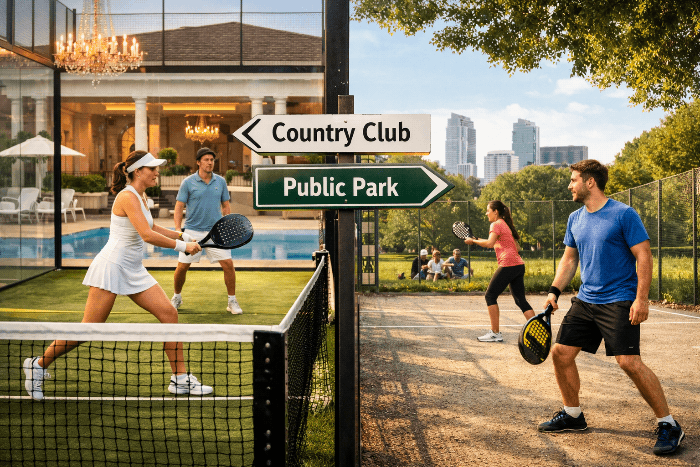
Padel in the UK stands between two models. One follows private clubs and premium pricing. The other leans toward parks, schools, and council centres. Both paths now exist side by side.
The sport has started to move beyond its origins, but it has not escaped them. Access has widened, yet not evenly. Padel’s future depends on who controls the next wave of courts, and who they are built for.