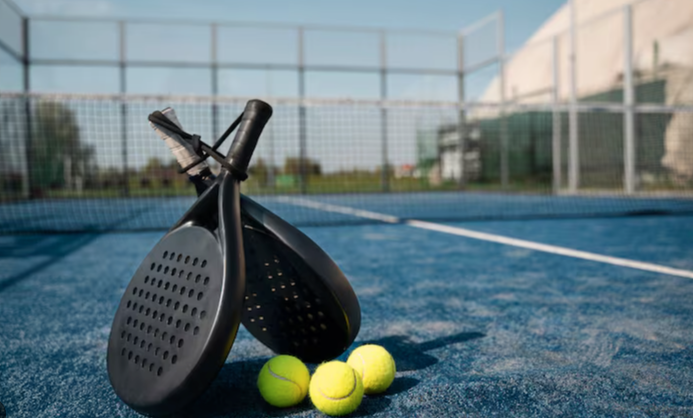

This article tackles the most common misunderstandings about padel in the UK. Each myth gets a clear answer, backed by how the sport is played today in British clubs. The aim is simple. Replace assumption with fact, and show what padel really offers players of all ages and backgrounds.
Padel is just a softer version of tennis
The comparison feels natural. Both use rackets, balls, and a net. The similarity ends there. Padel courts are smaller, enclosed by glass and mesh, and the walls stay in play. This changes movement, shot choice, and tactics from the first rally.
Padel rewards positioning and patience more than raw power. Players build points through angles, height, and teamwork. Tennis skills help at the start, yet long-term progress depends on learning padel patterns. Players who treat it as tennis with walls usually stall.
Padel is too easy to be a proper sport
Padel feels friendly in the first session. Rallies last longer, serves are underarm, and beginners keep the ball in play. That early comfort leads to the myth that the sport lacks depth.
Competitive padel tells a different story. Footwork, anticipation, and shot selection decide matches. Points stretch through ten or more exchanges. Fitness matters. So does concentration. Club leagues across the UK show clear gaps between levels, just like any established sport.
You need a tennis background to enjoy padel
Many UK players come from football, squash, or no racket sport at all. Padel suits them. The underarm serve removes a major barrier, and doubles play shares court coverage.
Clubs report strong take-up among complete beginners, including adults who never joined a sports club before. Social sessions and coaching groups mix experience levels. Tennis players adapt quickly, yet they do not hold an exclusive advantage.
Padel is only popular in London
London helped padel gain early momentum, but growth now spreads nationwide. Courts operate in Manchester, Bristol, Leeds, Birmingham, and across the South West. Scotland and Wales now host permanent facilities.
Local councils and private operators both invest. Indoor venues support year-round play, and demand often exceeds supply. The sport no longer relies on one city. It has taken root across the UK.
Padel is expensive to play
Costs vary by venue, yet padel compares well with other leisure sports. Court hire splits four ways, which keeps individual prices moderate. Many clubs offer off-peak rates and membership packages.
Equipment costs stay low. A solid beginner racket lasts seasons, and padel balls cost little more than tennis balls. Coaching sessions often run in groups, which reduces fees further.
Padel is only for younger players
Walk into a UK padel club on a weekday morning and the age range stands out. Players in their forties, fifties, and sixties fill courts. Many choose padel after joint issues end high-impact sports.
The court size limits excessive running. Doubles play shares the workload. Technique matters more than speed. This balance keeps the sport accessible without feeling gentle or slow.
Padel lacks structure and competition
UK padel now runs leagues, ladders, and national ranking events. Clubs organise internal competitions that mirror tennis box leagues. Players track progress through divisions.
National tournaments draw strong fields, and British players compete internationally. The pathway from casual play to competitive sport is clear. It simply developed later than older racket sports.
Padel is a passing trend
This myth surfaced a decade ago and still lingers. Court numbers tell another story. Facilities expand each year, and existing venues add courts rather than replace them.
Participation rates remain high once players start. Retention matters more than first-time curiosity. Padel keeps players engaged through social play, competition, and steady improvement.
Padel offers little health benefit
A typical padel session raises heart rate, improves coordination, and builds lower-body strength. Rallies keep players moving, yet rest comes naturally between points.
The sport supports mental health too. Doubles play encourages conversation and shared effort. Many players cite stress relief as a key reason they return each week.
Padel in the UK has outgrown its early stereotypes. The sport now stands on its own terms, shaped by how people actually play it. These myths fade fastest once players step on court. The best way to judge padel remains simple. Pick up a racket, book a court, and play.