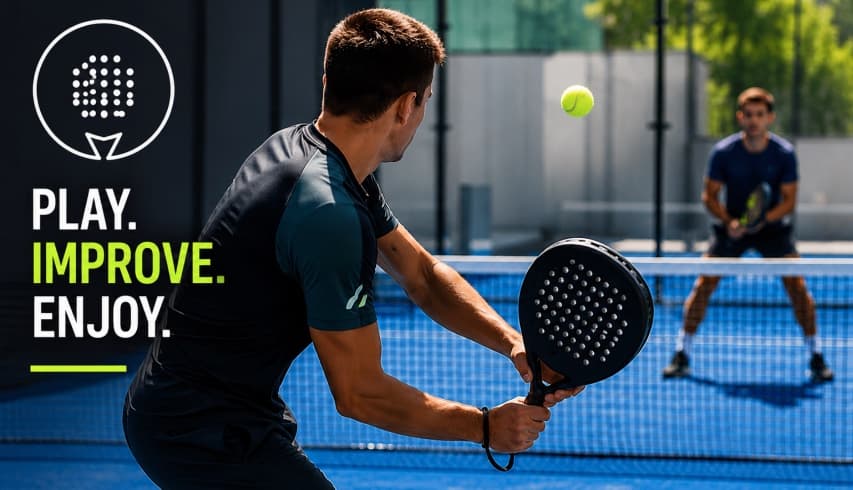
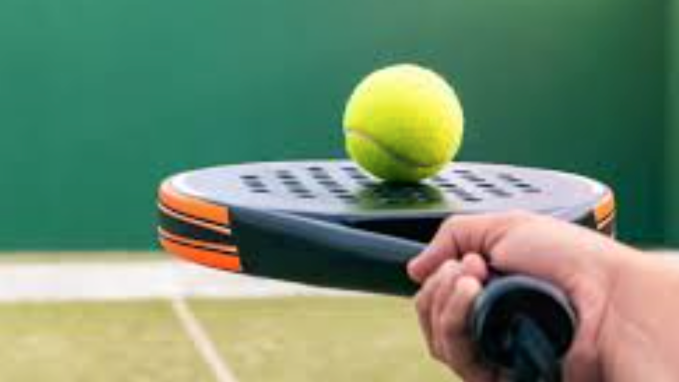
Padel has exploded across the UK over the past five years. Courts have appeared in London, Manchester, Birmingham and dozens of smaller towns. The game combines elements of tennis and squash but demands less space and feels more accessible to beginners.
Players of all fitness levels are discovering that Padel offers remarkable health advantages. The sport works your body in ways that few other activities can match.
Here are seven science-backed health benefits you can expect when you pick up a Padel racquet.
1. Burns Serious Calories Without Feeling Like Hard Work
A typical hour of Padel burns between 400 and 600 calories. This rivals running but feels far less punishing on your body and mind.
The constant movement keeps your heart rate elevated. You sprint to the net, backpedal to the baseline, lunge sideways for volleys. Each point demands quick bursts of effort.
The social aspect distracts you from the physical strain. You chat with your partner between points. You laugh when the ball bounces off the glass in an unexpected direction. Before you know it, an hour has passed and your shirt is soaked with sweat.
Studies on racquet sports show they produce better adherence than solo cardio activities. People stick with Padel because it feels like play rather than exercise.
2. Strengthens Your Heart and Reduces Disease Risk
Padel qualifies as moderate to vigorous aerobic exercise. Regular play strengthens your cardiovascular system and reduces your risk of heart disease, stroke and type 2 diabetes.
Research on racquet sports published in the British Journal of Sports Medicine found that players had a 47% lower risk of death from cardiovascular disease compared to non-players.
The intermittent nature of the sport trains your heart better than steady-state cardio. Your pulse spikes during rallies and recovers between points. This interval pattern improves your heart's efficiency over time.
Playing twice a week for three months can lower your resting heart rate by 5-10 beats per minute. Your blood pressure drops. Your cholesterol profile improves.
3. Builds Functional Strength Across Your Entire Body
Padel engages muscles you rarely use in daily life. Your legs power every movement. Your core stabilises your body during quick direction changes. Your arms, shoulders and back generate racquet speed.
The glass walls add a unique dimension. You must rotate your torso to hit balls that rebound off the back wall. This rotation strengthens your obliques and lower back muscles.
Your grip strength improves from holding the racquet. Your forearms develop from the constant wrist action required for volleys and smashes.
The sport builds practical strength that transfers to everyday activities. Carrying shopping bags feels easier. Lifting objects overhead requires less effort. You move through your day with more power and less fatigue.
4. Sharpens Your Mind and Improves Reaction Time
Padel demands split-second decisions. Should you take the ball out of the air or let it hit the glass? Should you aim cross-court or down the line? Should you attack or defend?
This constant problem-solving stimulates your brain. Studies show that racquet sports improve cognitive function and may reduce the risk of dementia in older adults.
Your hand-eye coordination improves dramatically. You learn to track a fast-moving ball against a complex background of glass, fencing and other players. Your brain processes visual information faster.
Reaction time improves within weeks of starting to play. Your peripheral vision expands. You anticipate your opponent's shots based on their body position and racquet preparation.
These mental benefits extend beyond the court. Drivers who play racquet sports have faster brake reaction times. Older players maintain sharper minds and better balance.
5. Protects Your Joints and Bones Better Than Running
Running pounds your joints with forces equal to three times your body weight on every stride. Padel distributes impact across different movement patterns.
The artificial turf surface absorbs shock better than concrete or tarmac. You rarely jump as high as in tennis or basketball. The smaller court means shorter sprints and gentler deceleration.
The varied movements strengthen the muscles and tendons around your joints. Your knees, ankles and hips become more stable and resilient.
Weight-bearing exercise like Padel increases bone density. The impact stimulates bone-building cells. Playing three times a week can slow or reverse age-related bone loss.
Many runners who develop knee or hip problems switch to Padel. They maintain their fitness without aggravating old injuries.
6. Reduces Stress and Boosts Mental Health
Physical activity releases endorphins that improve your mood. Padel amplifies this effect through social interaction and complete mental engagement.
The game demands total focus. You cannot think about work deadlines or family problems when a ball is flying toward your face. This forced presence acts like moving meditation.
Playing with others combats loneliness and builds friendships. You celebrate good shots together. You encourage each other after mistakes. These social bonds reduce anxiety and depression.
A study of racquet sport players found they reported better mental health and life satisfaction than people who exercised alone. The combination of physical exertion, skill development and social connection creates a powerful mood boost.
Many players describe feeling energised and clear-headed after a session. The stress of the day melts away. Sleep quality improves that night.
7. Improves Balance, Agility and Coordination at Any Age
Padel trains your body to move efficiently in multiple directions. You shuffle sideways, backpedal, sprint forward, pivot and lunge. These varied movement patterns improve your overall athleticism.
Balance improves from constantly shifting your weight. You learn to stay stable on one foot while reaching for a wide ball. Your ankles and feet grow stronger and more adaptable.
Coordination develops from timing your swing to meet the ball cleanly. You must position your feet, rotate your hips, prepare your racquet and make contact in a fluid sequence.
These physical skills protect you from falls and injuries in daily life. Older players maintain their independence longer. They navigate stairs more confidently. They catch themselves when they stumble.
The skills you develop on the Padel court translate directly to other sports and activities. Your tennis improves. Your skiing becomes more controlled. Your dancing feels more natural.
Getting Started With Padel
You can start playing Padel at any fitness level. The doubles format means you share the court with a partner. Beginners can enjoy competitive matches within a few sessions.
Most UK clubs offer coaching and drop-in sessions for newcomers. Equipment costs less than tennis. A decent racquet costs between £40 and £100. You can borrow one for your first few tries.
Start with two sessions per week to allow your body to adapt. Wear court shoes with good lateral support. Bring water and take breaks between games.
The health benefits accumulate with regular play. Within a month, you will notice better stamina and clearer thinking. Within three months, your body composition will change. Within six months, Padel will feel like an irreplaceable part of your routine.
The best time to start is now. Your heart, muscles, brain and social life will thank you.