Padel and pickleball now fill courts across the UK, from local leisure centres to private clubs. Both sports offer fast rallies and social play, yet padel has surged ahead in appeal. Its mix of skill, pace, and atmosphere draws players of all ages. Here are seven clear reasons why padel stands out today.
Across cities such as Manchester, Bristol, and Leeds, new courts open each month. Clubs report waiting lists for evening sessions. Players who try both sports often settle on padel after a few games. The reasons sit in how the sport feels, how it flows, and how it rewards effort.
It Keeps You Moving for Longer
Padel rallies last longer than most pickleball points. The walls bring the ball back into play, so points stretch beyond a few quick shots. You run, turn, and react more often, and that raises heart rate in a steady way.
This constant movement builds stamina. A 60 minute match can cover several kilometres of light running and side steps. Players report higher calorie burn during padel sessions than in casual pickleball games.
Fitness gains feel natural. You do not need drills or timed runs. The structure of the game creates a steady workout. This appeals to players in cities such as Nottingham and Sheffield, where social sport meets fitness goals.
The Court Design Adds Depth
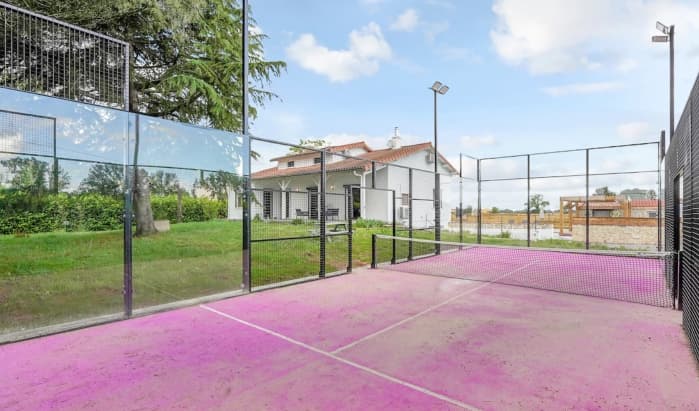
Padel courts use glass walls and metal mesh. The ball can rebound off these surfaces, which adds a new layer to each rally. Players must think about angles, timing, and positioning.
Pickleball courts lack this feature. Points often end once the ball passes a player. In padel, the rally continues, and that keeps players engaged.
The design rewards awareness. You watch the ball, the walls, and your opponent at the same time. This makes each rally feel fresh, even after many matches.
It Balances Skill and Accessibility
Padel is easy to learn. Beginners can rally within minutes. The underarm serve and enclosed court help new players keep the ball in play.
Yet the sport still offers depth. Advanced players use spin, placement, and wall rebounds to control points. Matches between experienced players show sharp tactics and precise shots.
This balance keeps players coming back. A newcomer enjoys early success. A regular player finds new ways to improve. Clubs in London and Birmingham report strong retention rates for padel members.
Social Play Feels More Natural
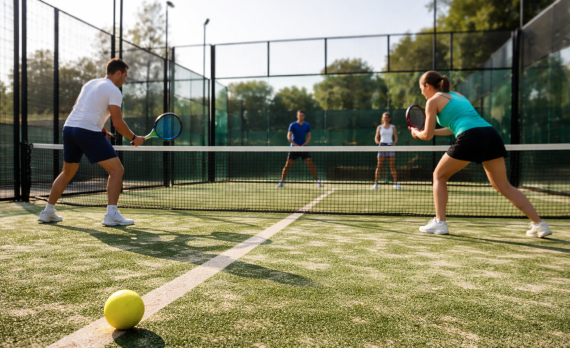
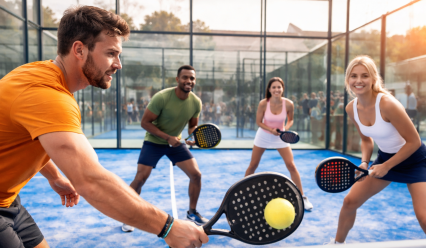
Padel is almost always played in doubles. Four players share a smaller court, which creates a close and social setting. Communication matters. You call shots, cover space, and celebrate points together.
The format suits group play. Friends can rotate in and out of matches with ease. Clubs often run short sessions that mix players of different levels.
Pickleball allows singles and doubles, yet padel leans into teamwork. This makes it popular for social leagues and club nights.
The Equipment Feels More Solid
Padel rackets are solid and stringless. They offer a firm feel on contact. Players gain better control over direction and pace.
The ball is similar to a tennis ball, with slight pressure changes. This gives a familiar bounce and sound. The result is a satisfying strike on each shot.
Pickleball paddles and balls feel lighter and less responsive. Some players find the sound sharp and less pleasing. Padel delivers a fuller sensory experience.
It Encourages Tactical Thinking
Padel rewards planning. You place shots to move opponents out of position. You use the walls to create angles. You slow the game, then speed it up at the right moment.
Each rally becomes a small contest of choices. Do you play safe or take a risk? Do you aim for the corner or the centre?
This layer of tactics keeps the mind active. Players in cities such as Liverpool and York often describe padel as a mix of chess and sport.
It Suits All Ages Without Losing Intensity
Padel attracts a wide age range. Teenagers, working adults, and older players share the same courts. The smaller court reduces strain on joints. The walls reduce the need for long sprints.
Yet the game still offers intensity. Fast volleys at the net and quick reactions keep matches exciting. Players can adjust pace to match their level.
This flexibility helps clubs grow. Families can play together. Colleagues can compete after work. The sport fits many lifestyles.
The Atmosphere Feels More Engaging
Padel courts often sit inside enclosed glass structures. Spectators can stand close and watch every rally. The sound of the ball against the glass adds to the atmosphere.
Matches feel lively. Players hear support from friends just a few metres away. This creates a strong club culture.
Pickleball courts tend to spread out in open spaces. The experience feels less focused. Padel brings players and spectators together in one place.
Final Thoughts
Padel combines movement, skill, and social play in a tight format. It rewards effort without making the game feel complex. Players improve fitness, sharpen reactions, and enjoy time with others.
Across England, demand continues to grow. From Manchester to Bristol and Leeds, clubs expand to meet interest. Many players try pickleball first, yet shift to padel after a few sessions. The reasons are clear in how the sport plays and how it feels on court.