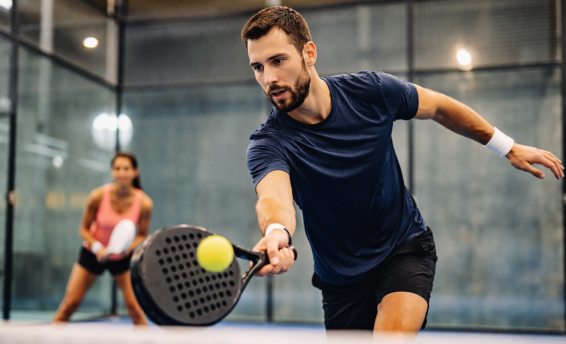
Padel rewards thought, touch, and teamwork far more than brute force. Many new players chase pace and flat winners, then hit a wall. The sport asks different questions. Control beats strength. Patience beats speed. The players who progress fastest learn a small set of skills that shape every rally, from the first serve to the final point.
1. Positioning and Court Awareness
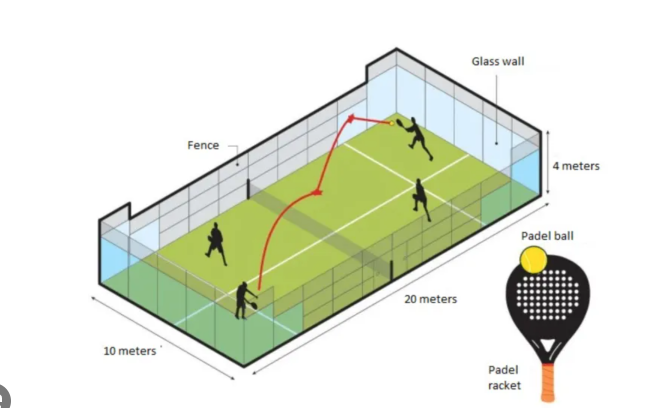
Good padel starts with where you stand. Court position decides which shots are available and which mistakes appear under pressure. Players who hug the net too early leave space behind them. Players who stay deep lose control of the point. The balance sits in the middle, moving forward together, then stepping back together.
Strong positioning keeps rallies calm. It reduces panic swings and rushed decisions. Partners who move as a unit close angles without chasing the ball. This habit matters more than any forehand speed. Watch experienced doubles pairs in the UK leagues and you will see constant small steps, not big sprints.
Why does this matter so much? Position shapes time. More time leads to cleaner shots. Cleaner shots lead to fewer errors. That chain wins matches at every level.
Players often fixate on the ball. Better players read space. They notice where opponents stand and adjust early. This skill develops through repetition and awareness, not gym work.
2. Patience Under Pressure
Padel punishes impatience. The walls bring balls back that look finished. Smashes that work on open courts come back with interest. Players who rush points hand control away.
Patience means accepting long rallies. It means choosing height and depth over pace. Many points last twenty shots or more, even at social level. Players who stay calm during these exchanges win through consistency.
Does patience mean playing safe every time? No. It means waiting for the right ball. High lobs, slow slices, and deep returns stretch opponents and force errors. The winning shot arrives later, not sooner.
This mindset suits players of all ages. It explains why padel attracts strong followings across the UK, from former tennis players to complete beginners. The game rewards judgement rather than speed.
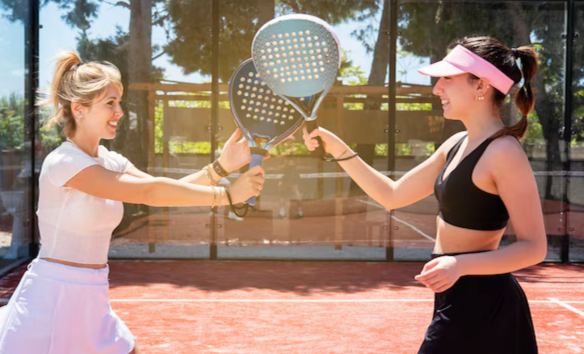
Patience grows with trust in your partner. Shared discipline keeps pairs from forcing shots out of frustration.
3. Touch and Control at the Net
Soft hands decide padel points. Volleys, drop shots, and short angles break defences without power. Players who grip tightly struggle here. The ball flies long or sits up.
Control starts with preparation. Short backswings and relaxed wrists create accuracy. Many coaches in Ireland and the UK teach blocking volleys before attacking volleys for this reason. Control sets the platform.
Touch shots slow the game on your terms. They force opponents to lift the ball, which opens space behind them. That space invites the next move forward.
Can power replace touch at the net? It cannot. Power shortens rallies only at low levels. Control survives against any opponent.
This skill improves through feel, not force. Mini rallies at the service line train it better than any smash practice.
4. Communication With Your Partner
Padel runs on partnership. Clear communication prevents chaos in the middle and confusion on lobs. Simple calls save points before shots even happen.
Good pairs talk early and often. They call “mine” or “yours” without hesitation. They signal serve directions and return plans. Silence creates doubt, and doubt creates errors.
Communication covers movement as much as shots. Partners call when to step forward or retreat. This habit keeps spacing tight and avoids open lanes.
Does constant talking distract players? No. Clear words reduce thinking. Less thinking leads to smoother play.
This skill matters at every level, from club socials to competitive leagues. Teams that speak clearly beat stronger but quieter opponents again and again.
5. Reading the Glass
The glass defines padel. Players who fear it never relax. Players who understand it gain time and options.
Reading the rebound takes practice. The angle, speed, and spin change how the ball returns. Early recognition lets players set their feet and choose controlled replies.
Many points swing on glass awareness. Players who wait too close lose balance. Players who step back gain space. This judgement comes from watching the ball, not guessing.
Is glass play difficult to learn? It feels awkward at first, then becomes instinctive. Regular exposure builds confidence quickly.
Once players trust the walls, rallies slow down. Errors drop. Decision making improves. Power becomes a secondary tool rather than the main plan.
Why These Skills Win More Matches
Padel rewards clarity, control, and cooperation. Power plays a role, yet it rarely decides outcomes on its own. The five skills above shape every rally and support each other.
Position creates time. Patience preserves control. Touch finishes points. Communication keeps pairs aligned. Glass awareness unlocks the full court.
Players who focus on these areas improve faster and enjoy the sport more. Matches feel calmer. Progress feels steady. That combination explains padel’s rapid growth across the UK and Ireland.
Power fades with fatigue. Skill endures.