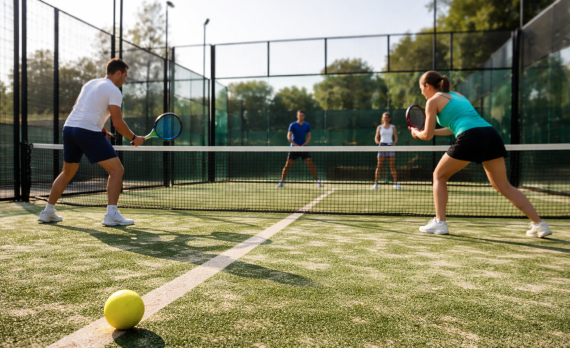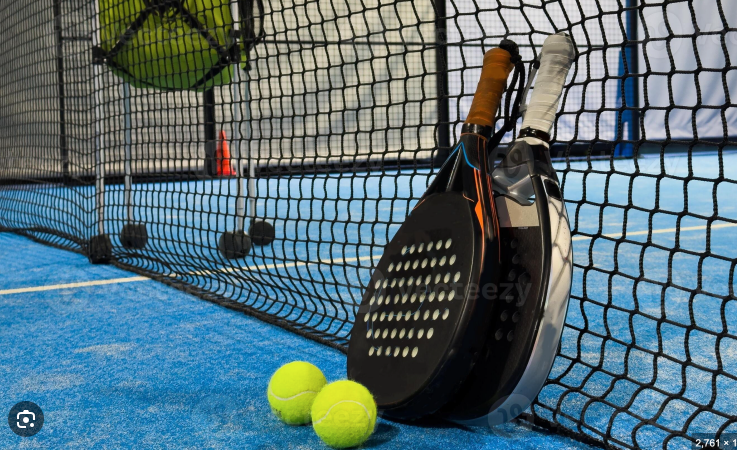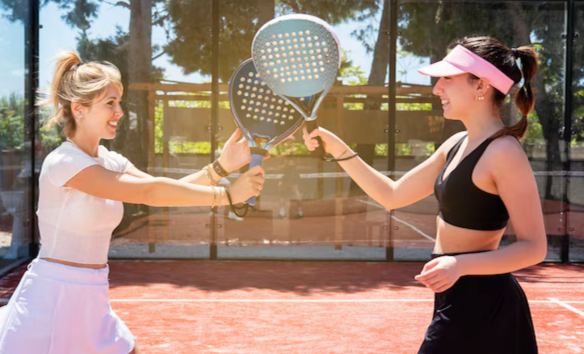
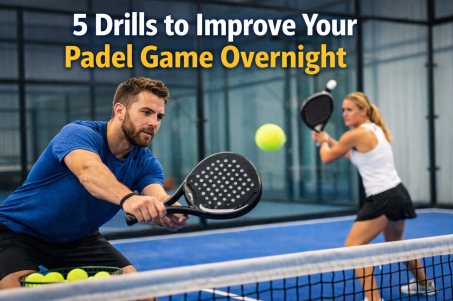
Padel rewards sharp reactions, clean contact, and calm movement near the glass. Many club players practise rallies yet skip focused drills that build these habits fast. A short set of targeted exercises can lift control and court awareness within a single session. The five drills below suit players at clubs in Manchester, Bristol, or Leeds and fit easily into a one hour practice.
Club sessions across England now fill every evening. Courts in Nottingham, Sheffield, and Brighton stay busy long after sunset. Many players rally for an hour yet repeat the same mistakes. Targeted drills fix that pattern. Each exercise below trains one core skill and delivers quick results.
These drills suit pairs or small groups. A basket of balls helps but is not required. Run each drill for ten minutes. Short bursts keep focus sharp and energy high. Many coaches use these exercises during training blocks at clubs across the UK and Ireland.
Volley Control Ladder
Padel rewards calm hands at the net. Many club matches swing on one rushed volley. This drill sharpens touch and keeps the ball low. Players learn to guide the ball rather than hit it hard.
Stand close to the net with a partner at the opposite service line. The feeder sends gentle balls toward the forehand volley. The player blocks each shot back into a small target zone.
After five clean volleys the target area shrinks. Precision becomes the goal and power fades away. Hands relax and the racket face stays steady.
Players in Manchester often run this drill before league matches. The routine settles nerves and builds rhythm.
How to run the drill
Mark a target square near the opponent service line.
Feed ten balls at moderate pace.
The volley player blocks each ball into the target area.
Swap roles after ten balls.
Reduce the target size after each round.
Glass Recovery Drill
The back glass defines padel. New players panic once the ball travels behind them. Calm recovery turns defence into attack. This drill builds trust in the glass.
One player stands deep near the back wall. A partner feeds lobs or firm drives toward the back corner. The defender lets the ball strike the glass and then plays a controlled return.
The key focus rests on footwork. Players step back, watch the rebound, then move forward through the shot. Rushed swings lead to weak contact.
Players who train this skill in Bristol often report better rally length within days.
How to run the drill
Start with gentle feeds that land near the back glass.
Let the ball rebound from the wall.
Strike a controlled shot back to the feeder.
Alternate forehand and backhand sides.
Run the drill for two minutes then rotate players.
Lob and Net Chase
The lob wins points at every level. A clean lob pushes opponents away from the net and opens space. Many club players hit the shot well yet fail to move forward after contact.
This drill links the lob with quick court movement. The player lifts a high lob then sprints toward the net. The feeder returns a soft ball that invites a volley finish.
The movement pattern trains attack after defence. The body learns the rhythm of lift, step, run, then volley.
Padel groups in Leeds run this drill in pairs during evening practice blocks.
How to run the drill
The feeder stands near the net.
The player begins at the baseline.
Hit a high lob over the feeder.
Sprint toward the service line.
Volley the next ball into open space.
Repeat ten times then change roles.
Cross Court Consistency Drill
Most padel rallies travel cross court. The angle provides extra space and safer margins. Strong cross court control keeps pressure on opponents.
Two players rally cross court from the baseline. The goal rests on accuracy and patience. Each pair aims for twenty shots without error.
The drill looks simple yet reveals poor footwork or rushed swings. Players learn to reset after every shot and keep the ball deep.
Coaches in Nottingham favour this exercise during junior sessions and adult group training.
How to run the drill
Stand on opposite diagonal corners.
Start a controlled rally.
Keep the ball cross court at medium pace.
Count each successful shot aloud.
Restart the count after an error.
Aim for twenty clean shots in a row.
Rapid Reaction Net Drill
Net exchanges in padel unfold quickly. Quick hands decide many points. This drill sharpens reflexes and racket control under pressure.
Two players stand close to the net on opposite sides. One player feeds fast balls toward the body or racket side. The partner blocks each ball back with short swings.
The pace rises after every round. Eyes track the ball and hands stay soft. Wild swings ruin the exercise.
Players at busy courts in Sheffield use this drill during short warm ups before social matches.
How to run the drill
Stand two metres from the net.
The feeder sends quick volleys.
The defender blocks the ball straight back.
Continue for thirty seconds.
Rest for thirty seconds then repeat.
Swap roles after three rounds.
Turning Drills Into Real Match Gains
Short drills deliver sharp progress. Players repeat clean movements and clear patterns. Confidence grows through repetition and steady rhythm.
A one hour practice session can include every drill above. Start with cross court rallies. Move into glass recovery work. Finish with fast net reactions.
Many club players across Manchester, Bristol, and Leeds train this way during weekly practice nights. Results appear quickly. Volleys stay lower. Lobs land deeper. Movement across the court becomes calm and precise.
Padel rewards smart repetition. Run these drills during the next practice session and watch the next match unfold with greater control.