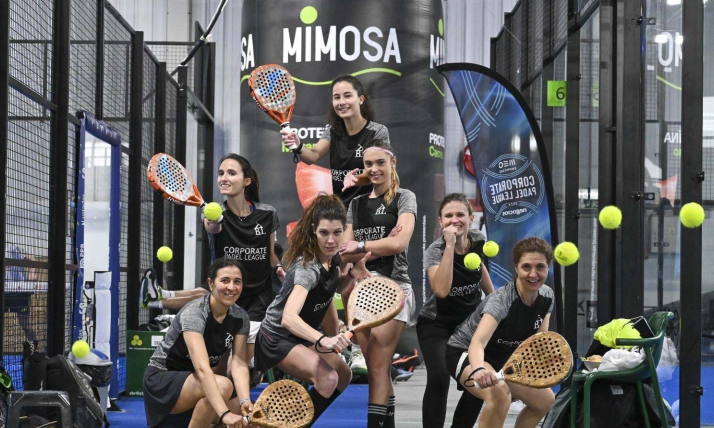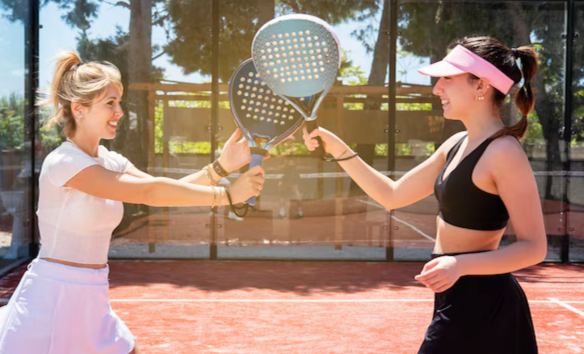
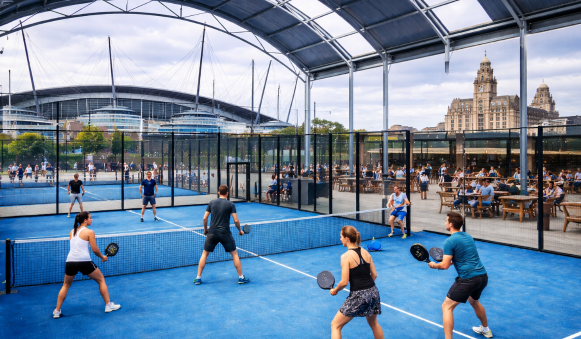
Padel has shifted from a niche racquet sport to a regular sight across the North West. Courts are filling in Manchester, Liverpool and Cheshire. Waiting lists are common. Local clubs report record bookings. The sport’s mix of tennis and squash, played in glass walls, now draws juniors, parents and retirees alike.
The speed of change has surprised even seasoned coaches. Five years ago, many players had never heard of padel. Today, peak evening slots sell out days in advance. New centres open with strong pre-sales. Social leagues fill within hours of launch. The North West now stands as one of the UK’s fastest growing padel regions.
The numbers tell a clear story. The Lawn Tennis Association reported more than 400 padel courts across Britain in 2024, up from fewer than 100 in 2020. A large share of that growth sits in England’s northern counties. Greater Manchester, Merseyside and Cheshire have all added multiple venues in the past three years.
Why here, and why now? The answer lies in access, community and smart investment.
Manchester: From Curiosity to Core Sport
Manchester has long embraced new sports as well as having a distinguished sporting heritage, particularly in the guise of Manchester City FC. The city built indoor snow slopes and climbing walls before many regions followed. Padel has slotted into that culture with ease.
Manchester Padel Club and Pure Padel Manchester report strong growth in adult beginner sessions. Coaches run daily intro classes. Many players arrive through five-a-side football networks or tennis clubs seeking a lower impact option.
One head coach in Trafford shared simple figures. In 2024, his venue ran eight group sessions per week. In 2025, it runs more than 30. Court occupancy at peak times now exceeds 85 per cent. Morning sessions attract remote workers who play before logging on.
The sport suits Manchester’s indoor culture. Rain no longer stops play. Covered courts allow year-round leagues. Players book knowing they will finish their match, whatever the forecast.
Liverpool and Merseyside: Social Sport with Bite
Liverpool’s sporting identity runs deep, yet padel has found its own space. Venues such as Game4Padel Liverpool have drawn mixed age groups from across Merseyside.
The format helps. Doubles play reduces court size and increases rallies. Beginners sustain points within minutes. That early success keeps them coming back. Local leagues now run across ability bands, from starter to advanced.
One organiser described a typical Thursday night. Four courts, eight matches, 32 players rotating across two hours. Afterwards, most stay for food and a drink. The venue bar takes as many bookings as the courts.
Padel’s social pull suits a city that values shared experience. The glass walls keep players close to spectators. Friends watch, cheer and learn the rules within a single set.
Cheshire: Family Growth and Club Investment
Cheshire has embraced padel through private clubs and leisure centres. Facilities such as David Lloyd Cheshire Oaks added courts to meet member demand. Tennis clubs have converted underused land into enclosed padel spaces.
Family uptake drives much of this growth. Parents book a court with two children and share a session. The smaller court size reduces physical strain. Older players return after knee or shoulder issues forced a break from tennis.
Junior coaching now forms a steady pipeline. Several Cheshire venues run Saturday academies with more than 40 children enrolled. Coaches focus on coordination, wall use and teamwork. Competitive pathways now link into regional tournaments.
Why Participation Has Accelerated
Three factors stand out.
First, entry barriers sit low. Rackets cost less than high-end tennis frames. Most venues hire equipment for a few pounds. New players join a social session without committing to membership.
Second, the learning curve feels kind. The underarm serve removes early pressure. The walls extend rallies. Players experience success in their first hour. That emotional lift matters.
Third, operators have invested with intent. Covered courts protect revenue. Online booking systems reduce friction. Clear pricing avoids confusion. Many centres built hospitality areas that turn a 90-minute match into a full evening out.
Has cost slowed growth? No. Court hire ranges from £20 to £40 per hour in most North West venues, split across four players. That price compares well with indoor tennis. Regular players often join monthly packages that lower the hourly rate.
Competitive Pathways and Regional Identity
The North West now hosts regional tournaments linked to the LTA’s padel circuit. Local players travel between Manchester, Liverpool and Lancashire for ranking points. Prize pots remain modest, yet participation rises each season.
Club rivalries add edge. Manchester sides travel west for weekend fixtures. Merseyside teams return the visit. Social media groups track scores and share highlights. A sense of regional pride has begun to form.
Coaches note rising standards. Three years ago, few players used advanced bandeja and vibora shots. Now intermediate leagues feature tactical wall play and structured formations. Training sessions fill quickly, especially in winter.
Health and Lifestyle Appeal
Padel offers steady aerobic work without long sprints. Heart rate studies from UK clubs show average match intensity at 70 to 80 per cent of maximum heart rate for recreational players. Sessions last 60 to 90 minutes. Players burn between 400 and 700 calories per hour.
The sport suits mixed fitness levels. A strong mover can cover ground. A tactical thinker can control points with angles. That balance widens appeal across age groups.
For older adults in the North West, the sport provides structure. Midweek morning leagues now draw retirees seeking routine and contact. Loneliness drops when weekly fixtures anchor the diary.
What the Next Five Years May Hold
Developers continue to scout warehouse space and retail parks. Planning applications for new covered courts have increased across Greater Manchester and Lancashire. Private investors view padel as a stable leisure asset with repeat custom.
Schools have begun to show interest. Portable courts allow short-term installations in sports halls. Early exposure at primary level may drive the next surge.
Participation curves in Spain and Sweden suggest room for growth. Those markets saw court numbers double within three to five years during peak expansion. The North West now mirrors early stage patterns seen in those countries.
Padel’s rise in the North West rests on clear foundations. Accessible rules. Social energy. Steady investment. Courts that stay busy through winter rain. From Manchester warehouses to Cheshire health clubs, the sport has moved into the mainstream. Growth shows no sign of slowing.