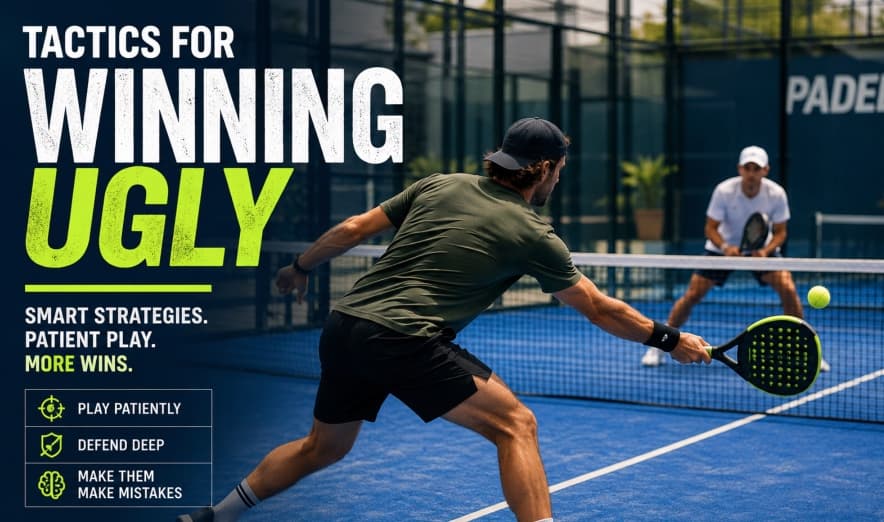
Padel rewards flair, fast hands, and sharp movement. Yet wins in many league matches played across the UK fall to players with fewer clean winners. They grind, defend, slow the pace, and force errors at the right moment. “Winning ugly” sounds harsh, yet smart pairs use these methods every week. The aim stays simple. Keep the ball alive and make rivals crack first.
Many club players chase highlight shots. They swing hard from poor court spots. They rush the net after weak lobs. They attack every high ball. Strong pairs stay calm instead. They value pressure, shape, and patience. A scrappy win counts the same on the scorecard.
Why “winning ugly” works in padel
Padel courts feel small. Glass walls keep rallies alive. One loose shot can shift the full point. A patient pair can turn defence into attack within seconds.
Most amateur matches end through errors. Clean winners matter less than many players think. Club coaches in Manchester often track unforced mistakes during practice sets. The totals can look brutal. Twenty errors per set happen often at intermediate level.
Steady padel creates stress. Rivals start to press harder. Feet stop moving. Swing paths grow longer. Tempers rise. Good “ugly” padel feeds on that pressure.
The style does not mean passive play. Passive teams lose court space. They hand over the net. Winning ugly means smart restraint. The pair picks the right moment for risk.
Serve with shape, not power
Huge serves rarely dominate in padel. Placement matters more. A low serve into the backhand corner creates awkward returns. The next ball becomes easier.
Many strong club pairs in Bristol use slice serves with little pace. The bounce stays low. Rivals struggle to attack from the return spot.
First serves should land deep and close to the side glass. Missed first serves gift momentum away. A safe serve keeps the point under control from the start.
The server’s partner plays a major role. Tight net positioning blocks angles. Quick reactions matter more than flashy volleys.
Make the lob your main weapon
The lob wins ugly matches more than any smash. It resets points. It steals the net. It drains energy from attacking pairs.
Many club players use poor lobs under pressure. The ball sits short. Strong pairs punish those balls fast. A deep lob changes the full point shape.
Top defensive pairs aim high over the weaker overhead player. The ball should push close to the back glass. Rivals then hit overheads from awkward body positions.
Bad weather in outdoor centres adds value to this tactic. Wind in Glasgow or Galway can turn overheads into chaos. Calm defenders profit from those conditions.
Practice matters here. Ten minutes of lob drills each session can lift match results fast.
Slow the tempo after long rallies
Fast points suit aggressive players. Slower exchanges test patience and movement. A clever pair changes speed often.
After a draining rally, many players rush the next serve. Smart teams pause. They towel down. They reset their breathing. The point pace drops.
Soft chiquita shots work well here. The ball dips near the feet of net players. Attackers must volley upward. Defenders gain time to move forward.
Dead balls into the middle can feel ugly to watch. They work. The middle creates confusion. Two players hesitate. One late step opens the court.
Target the weaker player without guilt
Many recreational pairs carry one weaker defender. Strong teams spot this within three games. Then the pressure starts.
Some players feel rude targeting one opponent. Competition does not reward kindness. Repeated pressure breaks rhythm and confidence.
Look for signs early. One player struggles with back glass reads. One player avoids overheads. One player volleys late. Feed that side often.
Elite padel pairs use this tactic every week on tour. Club players should do the same.
The pattern stays simple. Deep ball. Safe volley. Lob. Repeat. The weaker player cracks first in many cases.
Win the middle of the court
Many points die in the centre strip. Middle balls create doubt. Both players move. Neither player commits fully.
Hard angles look exciting yet carry risk. Middle shots give fewer angles back. The court shrinks for rivals.
Net players should shade inward during pressure moments. This blocks fast drives through the centre. It forces riskier side shots.
Communication matters here. Short calls work best. “Mine.” “Switch.” “Leave.” Long chatter creates hesitation.
Defend deep and stay patient
Many players panic near the back glass. They swing too early. They forget the glass can help them.
Strong defenders stay low and balanced. They let the ball travel. Then they guide the shot back with little force.
Patience frustrates attacking pairs. Smash after smash comes back. Volley after volley returns low. Pressure shifts across the net.
Good defenders in Sheffield leagues often win ugly through fitness alone. They survive long exchanges. Rivals tire and rush.
Footwork plays a huge role. Small adjustment steps beat lunges. Stable feet create cleaner contact.
Use the side glass to create awkward rebounds
Padel rewards smart geometry. A soft volley into the side glass can trouble rivals more than a flat drive.
Many club players read back glass rebounds well. Side glass rebounds feel less natural. The bounce angle changes sharply.
Short crosscourt volleys work well from the net. The ball stays low after the glass. Rivals must scoop upward from awkward spots.
This tactic suits slower surfaces. Damp indoor courts in Dublin often keep the bounce low. Patient pairs gain an edge there.
Accept messy points
Some players grow angry during scrappy rallies. Frames, net cords, and strange rebounds feel unfair. Calm pairs accept the chaos.
Padel contains random moments by nature. Glass, fences, spin, and compact space create odd points. Emotional control matters.
A lucky net cord can decide a set. Strong competitors move on fast. The next point gets full focus.
Body language sends signals across the court. Slumped shoulders invite pressure. Calm posture hides nerves.
Play percentage overheads
Huge smashes look great on social media. Smart overheads win league matches.
The bandeja sits at the centre of ugly winning padel. The shot keeps the net and limits risk. Pace stays controlled. Placement stays sharp.
Many players attempt full power smashes from poor court spots. Missed smashes swing momentum fast.
Use the vibora or bandeja into the side glass. Push rivals deep. Keep net control. Wait for the short ball.
Cold courts reduce smash power too. Winter sessions in Newcastle often reward placement over force.
Pressure second serves
Second serves expose nerves. Returners should step forward and attack weak depth.
A chipped return at the feet works well. Flat drives carry more risk. Smart returners value court position first.
The goal stays simple. Neutralise the server early. Then hunt for the net.
Strong club pairs track patterns here. One rival serves wide under stress. Another serves slower into the body. Sharp returners notice these habits.
Fitness wins ugly matches late on
Long rallies punish tired legs. Many amateur matches swing after the first hour.
Explosive speed helps. Recovery speed matters more. Players must reset position after every shot.
Simple fitness work helps padel greatly. Shuttle runs, lunges, and core training build court stamina. Regular walking aids recovery too.
Hydration matters during indoor sessions. Heated courts in London can feel draining after two close sets.
Tired players make poor choices. They force winners from bad spots. Calm, fit pairs stay disciplined deep into the match.
Study momentum swings
Momentum in padel shifts quickly. One break point can change a full set.
Winning ugly means reading those moments clearly. Tighten margins at 30-30. Use safer serves at deuce. Aim deep through pressure points.
Many players chase miracle shots during tense games. Smart pairs shrink risk. Rivals often donate errors under stress.
Short memory helps here. A poor game means little. The next return game starts fresh.
Communication builds ugly wins
Strong pairs talk with purpose. They keep messages short and calm.
Blame destroys doubles teams fast. Negative reactions spread tension through both players.
Partners should discuss tactics during changeovers. Target choices, lob depth, and return spots can shift across the match.
Clear roles help too. One player hunts interceptions. One player anchors defence. Structure settles nerves during messy periods.
Winning ugly still counts
Padel culture loves stylish shot making. Crowds cheer huge smashes and sharp angles. Match play tells a different story. Discipline, patience, and low error counts win vast numbers of club contests.
The best “ugly” teams frustrate rivals from the first point. They defend stubbornly. They serve smart. They lob deep. They stay calm during chaos.
Pretty padel turns heads. Ugly padel fills league tables with wins.