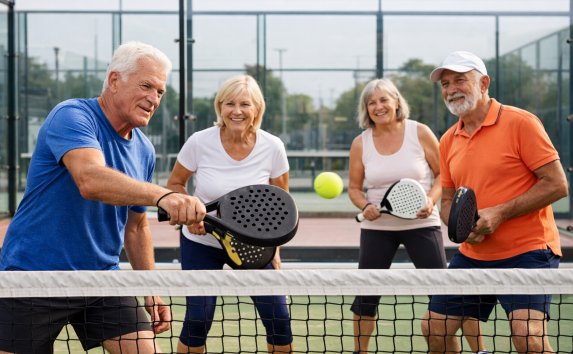
Padel courts now appear across the UK, and many players who pick up a racket sit well past the age of 60. The sport blends gentle movement with social play and short rallies. That mix suits older adults who want activity without strain. Clubs in cities such as Leeds, Bristol, and Brighton report steady growth in this age group.
Padel began in Mexico in 1969 and spread through Spain and Argentina. The UK scene grew fast after 2019. New courts now sit beside tennis centres and leisure parks. A clear trend stands out. Players aged over 60 join leagues, social sessions, and coaching groups.
This shift makes sense. The game rewards touch and court sense. Raw speed matters less than placement and teamwork. Many older adults hold decades of racket sport experience. Padel gives that experience a fresh home.
Coaches across England now run sessions aimed at older beginners. Clubs in Nottingham, Manchester, and Southampton host morning groups that suit retired schedules. The courts fill early in the day. Conversation often lasts longer than the matches.
Why does padel suit players in later life so well? The answer sits in the design of the game and the culture around it.
A Court Designed for Comfortable Movement
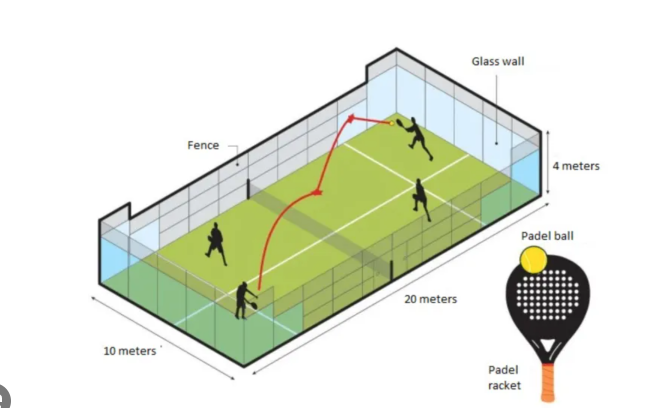
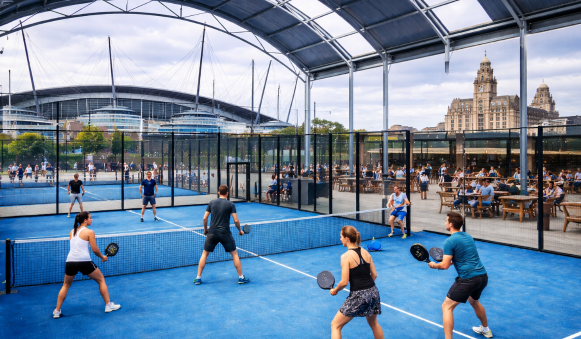
A padel court measures 20 metres long and 10 metres wide. That size sits far below a tennis court. The reduced space cuts long sprints. Most rallies take place close to the net or along the glass walls.
The walls change the rhythm of play. The ball rebounds and stays in motion. Players wait for the bounce and return the shot. This pattern creates steady movement instead of sudden bursts.
Older adults gain two benefits here. First, the court asks for shorter steps. Second, rallies last longer without extreme effort. A player keeps the ball in play through patience and placement.
Many players over 60 report less joint strain than tennis. Knees and hips face lighter impact. The underarm serve removes overhead pressure on shoulders. For players who once played squash or tennis, the adjustment feels natural.
A typical match lasts about one hour. Four players share the court. Each person moves often and rests often. That balance suits older bodies.
A Sport Built Around Doubles
Padel nearly always runs as doubles. Two players share each side of the court. The format spreads movement between partners. No player carries the whole workload.
This team structure shapes the social side of the sport. Conversations run between games. New friendships form through club ladders and friendly matches. Many clubs schedule coffee mornings next to the courts.
Retired players often seek this type of activity. Physical exercise matters. Social contact matters just as much. Padel provides both in a single session.
Clubs in cities such as Leeds and Nottingham note the same pattern. Older members arrive early in the morning. They play two or three matches. Then they sit for tea and chat.
Is this social side part of the appeal? Yes. Many players stay for the community as much as the sport.
Learning the Game After 60
Padel welcomes beginners. The racket features a solid face and drilled holes. No strings appear. This design gives a large sweet spot.
The ball travels at moderate speed. Players return shots with short swings. Long technical training rarely proves necessary.
Many older beginners reach steady rallies within their first session. Coaches often start with wall practice. The wall bounce builds rhythm and timing. Confidence grows quickly.
Clubs across England offer group coaching aimed at older adults. Morning classes run in places such as Nottingham and Manchester. The pace stays relaxed. Coaches focus on simple patterns and safe movement.
Players learn key shots first. The forehand drive. The backhand block. The lob. These three strokes carry most rallies.
Footwork remains gentle. Players take small steps and keep balance. Sudden lunges rarely appear.
Many beginners arrive after a long break from sport. Some played tennis decades earlier. Others come with no racket background. Both groups adapt within weeks.
Does age block progress in padel? Not at all. Court awareness and calm decision making often beat raw speed.
Health Benefits That Matter After 60
Regular padel sessions support several aspects of health in later life. The sport mixes light cardio work with coordination and balance.
A typical hour on court burns around 350 to 500 calories. The exact figure shifts with pace and intensity. Even gentle play raises heart rate.
Movement across the court trains balance. Quick turns and wall rebounds sharpen reaction time. These factors support fall prevention in older adults.
Hand eye coordination improves through repeated rallies. The brain reads ball speed and wall angles. Each return builds mental sharpness.
Muscle tone benefits from steady movement. Legs perform short pushes across the surface. Shoulders and arms guide the racket through compact swings.
Doctors often advise low impact sports after 60. Padel fits that advice. The court surface provides grip and mild cushioning. Movements stay controlled.
Players often report better sleep after evening matches. Light physical work during the day supports natural rest cycles.
Another effect appears through mood. Exercise releases endorphins. Social play reduces isolation. These two factors combine to support mental wellbeing.
The Rise of Senior Padel Groups in England
Padel centres across England now run senior leagues and club mornings. Participation grows each year.
Facilities in Manchester host weekday sessions aimed at players aged 60 and above. Courts fill quickly during mid-morning hours.
Brighton shows a similar trend. Retired players form doubles groups that rotate partners through the morning. A small scoreboard tracks friendly rivalries.
In Leeds, local clubs host beginner clinics aimed at the over-60 group. Coaches adjust the pace and allow longer warm ups. Many players stay after lessons for extra matches.
Nottingham reports strong demand for daytime courts. Leisure centres now reserve certain hours for senior play.
These sessions create a relaxed entry point for new players. No ranking pressure appears. The goal stays simple. Keep the ball moving and enjoy the rally.
Is competition still part of the picture? Yes. National senior tournaments now take place across Britain. Categories exist for players aged 60, 65, and 70.
Equipment Choices for Older Players
Padel equipment remains simple. Players need a racket, balls, and court shoes.
Many older players choose rackets with soft foam cores. These rackets absorb impact and reduce vibration. The result feels comfortable on the arm.
Weight matters too. Lighter rackets around 360 grams suit players who want quick handling.
Grip size deserves attention. A secure grip supports control and wrist safety. Coaches often recommend adding an overgrip for extra comfort.
Court shoes require good traction. Padel courts use sand filled artificial turf. Shoes with herringbone patterns grip the surface well.
Players often bring a small towel and water bottle. Hydration supports safe play in warm indoor venues.
Some older players wear light knee supports or elbow straps. These items offer extra stability during longer sessions.
Simple Tactics That Reward Experience
Padel strategy values patience. Experienced players thrive through smart placement.
The lob stands as the most useful shot. A high lob pushes opponents away from the net. The ball lands deep and slows the rally.
The glass walls open creative angles. A player can allow the ball to rebound before the return. This option buys extra time.
Net control decides many points. Teams move forward after a strong lob or deep drive. Once near the net, volleys end rallies quickly.
Communication between partners matters. Clear calls avoid confusion over shared shots.
Older players often excel here. Years of sport build calm judgement. Each rally becomes a small puzzle rather than a sprint.
Getting Started at Your Local Club
Most UK padel venues welcome new players through introductory sessions. Equipment usually appears for hire at reception.
Beginners start with a short coaching lesson. The coach explains the serve, wall bounce, and basic scoring.
Players then join friendly matches. Early rallies focus on control rather than power.
Many clubs run “mix-in” sessions. Participants rotate partners after each set. This format removes pressure and builds confidence.
Retired players often prefer morning slots. Courts stay quieter and the pace remains relaxed.
Some venues add light fitness drills before play. Gentle stretching and mobility work prepare the body for movement.
After several weeks, new players often join club ladders or social leagues. These events offer regular games against different partners.
Why the Over-60 Community Keeps Growing
Padel now sits among the fastest growing racket sports in Britain. Older adults form a large part of this rise.
The sport blends exercise with companionship. It avoids the heavy strain of many traditional games.
Short courts limit running distance. The doubles format spreads effort across four players.
Rallies reward patience and touch. Experience counts more than raw pace.
Clubs recognise this demand and schedule sessions for retired players. Facilities in cities such as Leicester, Leeds, and Brighton continue to expand court numbers.
Many players who start after 60 remain active well into their seventies. Regular matches keep bodies moving and minds engaged.
Padel proves that sport need not fade with age. A simple court, a small group of players, and a steady rally offer a powerful formula for healthy later years.