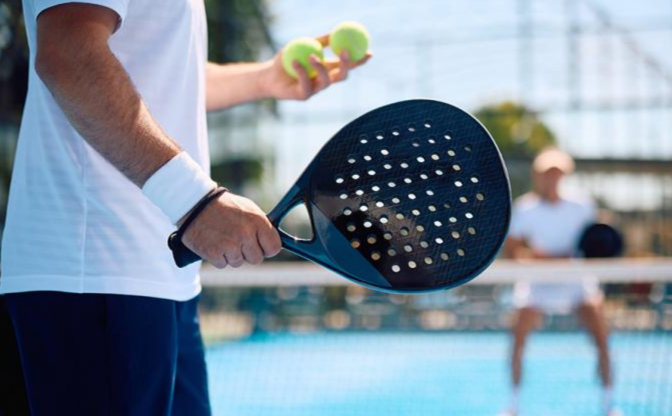
Britain faces a growing problem with indoor sports facilities. Councils close leisure centres. Membership fees climb. Bad weather cancels outdoor games for months. Padel offers a solution. This sport combines year-round play with affordable access and strong social bonds. Courts fit in small spaces. Covered venues work in any weather. The game brings people together in ways traditional British sports struggle to match.
The State of Britain's Indoor Sports Facilities
Public leisure centres across the UK are disappearing. More than 450 facilities closed between 2010 and 2020. Councils cut budgets. Running costs rise. Local communities lose access to swimming pools, sports halls, and fitness centres.
Private gyms filled some gaps. But memberships cost £40 to £80 per month. Many people cannot afford these fees. The pandemic made things worse. Facilities shut down. Some never reopened. Others now operate at reduced capacity.
Traditional British sports face their own challenges. Tennis courts sit empty during winter. Five-a-side football pitches turn to mud. Cricket grounds close for half the year. The weather dictates when people can play.
This creates a problem. Adults need regular exercise. The NHS recommends 150 minutes of moderate activity each week. Most people fall short. Limited indoor options make it harder to stay active year-round.
Why Padel Works in British Weather
Padel courts measure 20 by 10 metres. This compact size suits British spaces. A single tennis court footprint fits two padel courts. Developers can build on brownfield sites, in industrial estates, or on unused land.
Most UK padel venues feature covered courts. Glass walls let in natural light. Roofs keep rain out. Players book sessions in December as easily as June. The weather becomes irrelevant.
Game Point Padel in Manchester operates 12 covered courts. They run sessions every day of the year. Players book morning slots before work. Lunch breaks fill with quick games. Evening sessions run until 10pm.
The construction costs make sense too. A covered padel court costs £80,000 to £120,000 to build. Compare that to a full sports centre at £5 million to £15 million. Smaller investments mean faster returns. Operators can start with four courts and expand later.
Climate control matters less than in other indoor sports. Courts need minimal heating. Good drainage handles British rain. Maintenance costs stay low. This keeps booking fees affordable.
The Social Element That Builds Communities
Padel requires four players per game. This built-in social aspect changes everything. Singles matches do not exist. People must connect with others to play.
Clubs create WhatsApp groups for members. Someone posts looking for a fourth player. Three people respond within minutes. Strangers become regular playing partners. Friendships form naturally.
The Padel Club in Edinburgh runs mixer sessions twice weekly. Players of different abilities show up. Organisers create balanced teams. Everyone plays three or four matches in two hours. New members integrate quickly.
This differs from traditional gym culture. People arrive, work out alone, and leave. No conversation needed. Padel forces interaction. Partners encourage each other. Opponents chat between points. The court design means everyone stays close together.
Parents find particular value in this. Mums and dads drop kids at school, play padel for 90 minutes, then grab coffee together. The activity becomes a social outlet, not just exercise. Mental health benefits match the physical ones.
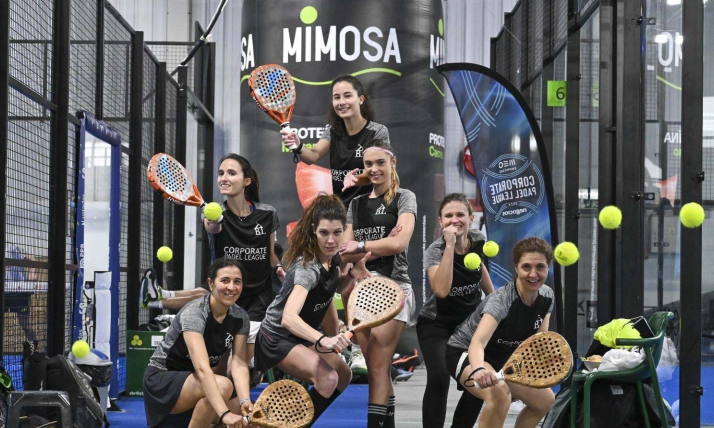
Workplace groups use padel for team building. Companies book courts for staff events. Employees who rarely interact in the office become teammates. The sport breaks down hierarchies. A junior accountant partners with the finance director.
Accessibility for Different Age Groups and Abilities
Padel suits a wide range of fitness levels. The court size reduces running. Glass walls keep balls in play longer. Points last longer than in tennis. This means less chasing and more strategic play.
Older adults take up padel in growing numbers. Players in their 60s and 70s compete regularly. The sport demands less joint stress than tennis or squash. Matches provide good exercise without excessive strain.
David Jones, 68, started playing at Padium in Cardiff Bay. He tried tennis for years but knee problems forced him to stop. Padel's smaller court and underarm serve suit him perfectly. He plays twice weekly with friends from his local residents' association.
Children adapt quickly to the game. The racket weighs less than a tennis racquet. Kids as young as six can handle it. The scoring system mirrors tennis, so families play together easily.
Mixed-ability games work better in padel than in most racquet sports. A beginner and an advanced player can partner up. The stronger player covers more court. Both contribute to winning points. This encourages people to try the sport without fear of holding others back.
Pricing structures help too. Most venues charge £30 to £50 per court per hour. Split four ways, each player pays £7.50 to £12.50. That beats cinema tickets and costs less than half a gym membership for the same time period.
Filling the Gap Left by Closed Leisure Centres
Padel venues open in areas that lost traditional facilities. Communities without sports centres now have padel clubs. These fill a real need for local recreational space.
Wolverhampton lost two leisure centres between 2015 and 2018. The council cited budget pressures. Residents had fewer options for indoor sport. Game4Padel opened a six-court venue in 2022. Membership reached 800 people within 18 months.
The private sector drives most padel development. Operators see profit potential. But communities benefit too. New venues create jobs. Courts bring foot traffic to local cafes and shops. Some clubs offer youth programmes and coaching for schools.
Padel courts require less staffing than leisure centres. Two or three employees can run a small venue. Online booking systems handle reservations. This lean model keeps businesses viable in areas where councils cannot afford traditional facilities.
Planning permissions come through faster than for large sports centres. Padel courts count as light recreational use. Local councils often approve applications within months. This speed means communities get new facilities quickly.
The Business Model That Sustains Year-Round Use
Padel clubs operate differently from pay-as-you-go gyms. Most use a hybrid model. Non-members book courts at standard rates. Members pay monthly fees for discounted access and guaranteed availability.
This creates steady income. Courts stay booked during weekday evenings and weekend mornings. Operators can predict revenue. The year-round nature means no seasonal dips like outdoor tennis clubs face.
We Are Padel in Leeds reports 85% court occupancy across all time slots. Peak times reach 100% booking rates. The venue added four courts in its second year to meet demand. Staff are hired locally. The business pays rent to a property developer who converted a former warehouse.
Food and beverage sales add revenue. Most clubs include cafes or bars. Players arrive 15 minutes early for coffee. They stay after matches for drinks. This social atmosphere drives spending beyond court fees.
Corporate bookings provide another income stream. Companies rent courts for client entertainment or team events. These daytime bookings fill slots that might otherwise sit empty. Rates run higher than standard fees.
The low operating costs compared to swimming pools or ice rinks make profitability easier. No chlorine systems. No ice machines. No lifeguards. Courts need occasional resurfacing and new nets. That's it.
Challenges and Realistic Expectations
Padel cannot replace every lost leisure centre. Swimming pools serve vital purposes. Children learn water safety. Many people prefer swimming to racquet sports. Communities need diverse facilities.
Court availability can become an issue. Popular venues book up days in advance. Peak times disappear quickly. This frustrates new players trying to get started. Some clubs address this with waiting lists or time-slot lotteries.
The sport's growth creates concerns about overexpansion. Too many courts in one area could flood the market. Some venues might struggle if demand plateaus. The UK currently has about 200 padel venues. That number doubles every 18 months.
Quality varies between clubs. Some offer pristine courts and excellent coaching. Others cut corners on maintenance. Poor surfaces or damaged glass walls hurt the playing experience. Players need to research venues before joining.
Not everyone enjoys team sports. Some people prefer solo exercise. Padel's mandatory doubles format does not suit introverts or those who want solitary workouts. The sport complements other options rather than replacing them all.
What the Future Holds
Padel's trajectory in the UK looks strong. New venues open monthly. Membership numbers climb. The sport appears in mainstream media more often. This visibility drives further growth.
Some councils now consider padel in planning. New housing developments include courts alongside other amenities. This integration helps normalise the sport. Future generations may grow up with padel as a standard option.
The sport could reduce NHS burdens. Regular players stay more active. They build social connections that support mental health. These outcomes matter as Britain's population ages. Accessible, social exercise becomes more important.
Technology will improve the experience. Court booking apps already streamline reservations. Some venues test smart courts with automated scoring. Video analysis helps players improve their technique. These innovations may attract younger demographics.
Competition from other activities remains real. Pickleball gains ground in some areas. Padel must maintain its advantages in weather protection, social atmosphere, and accessibility. Clubs that focus on community building will thrive.
Making It Work for Your Community
Finding local padel courts takes minutes. Search online for venues within 10 miles. Most clubs offer trial sessions or beginner packages. New players can test the sport before committing to memberships.
Starting a club in your area requires planning. Research demand. Survey neighbours and colleagues. Speak with local councils about available land. Contact existing operators for advice. The initial investment ranges from £300,000 to £500,000 for a four-court facility.
Schools can integrate padel into PE curricula. The sport's ease of learning suits physical education. Equipment costs less than rugby posts or cricket gear. Some clubs partner with schools for off-peak court access.
Corporate wellness programmes might include padel. Companies could subsidise memberships or book regular sessions. The team-building aspects align with workplace culture goals. Employees get exercise and strengthen work relationships.
Britain's indoor sports crisis will not disappear overnight. But padel offers one practical solution. The sport provides year-round activity in a social setting. Courts fit in spaces where traditional facilities cannot. Communities gain affordable access to exercise and connection. That combination addresses real needs across the country.