Padel has moved from niche curiosity to prime-time obsession across Britain in under a decade. Courts sit beside gyms, at tennis clubs, and on city rooftops. Bookings fill within hours. Players talk about rallies at work the next morning. The sport looks simple, yet it pulls people back week after week.
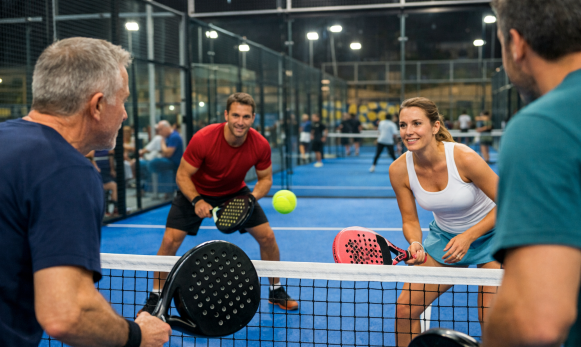
Visit clubs in London, Manchester, or Sheffield on a Tuesday evening. Every court is full. Floodlights glow. Music plays softly from reception. Four players squeeze into each glass box and compete for 90 minutes. They laugh, argue about the score, and book the next slot before they leave.
Why does this sport grip so many adults so quickly? The answer sits in the design of the game itself. Padel removes many early barriers yet keeps the thrill of competition. Each match feels close. Each rally offers a second chance.
Below are nine clear reasons why padel now leads Britain’s sporting conversation.
1. You Can Rally Within Minutes
Tennis demands technical precision from the first serve. Squash punishes poor timing. Padel gives beginners a gentler start. The underarm serve travels slower. The smaller court reduces distance. The walls keep the ball in play.
New players often sustain rallies of ten shots within their first session. Coaches at venues in Leeds report beginners holding cooperative exchanges inside half an hour. Early success builds confidence. Confidence fuels return bookings.
The learning curve feels steep but fair. Players improve week by week. That steady progress hooks the brain.
2. Every Point Feels Winnable
The glass walls change everything. A smashed ball does not end the rally. It rebounds. Players chase it down. Defence turns into attack in seconds.
This constant reset keeps matches tight. Even weaker pairs steal games from stronger opponents. Scores such as 6–4 or 7–5 appear often in club play. Close margins create tension. Tension sharpens focus.
People crave that uncertainty. It keeps the heart rate high and the mind locked in.
3. Doubles Builds Instant Community
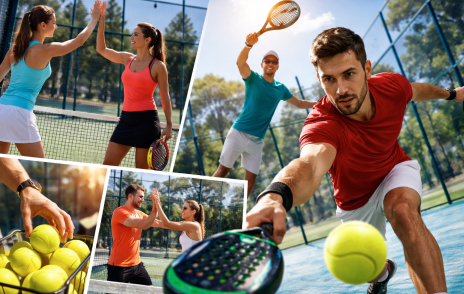
Padel is almost always doubles. Four players share a compact space. Communication matters on every point. Partners switch sides after each game. High fives follow sharp volleys.
Clubs in Sheffield and Nottingham run social leagues on weeknights. Players rotate partners every set. By the end of two hours, most people know ten new names. The sport creates conversation without effort.
Adults who struggle to meet new people find padel an easy bridge. Shared rallies break the ice.
4. Matches Fit Busy Lives
A standard booking lasts 60 to 90 minutes. The warm-up takes five. Games move quickly. There are no long pauses between points.
Parents play after school drop-off. Office workers head straight from desks to courts. Evening slots at clubs in Birmingham often run from 6 pm to 10 pm without gaps.
Time efficiency matters. People want sport without losing half a day. Padel delivers a full workout inside a short window.
5. It Is Demanding but Kind to the Body
The court measures 20 metres by 10 metres. That compact space reduces sprint distance. Serves travel underarm. Points rely on placement more than brute force.
Players in their forties and fifties dominate many local leagues. Former tennis players with sore shoulders often switch codes. They report fewer aches after matches.
The sport raises the pulse. Sports scientists record average heart rates between 70 and 85 per cent of maximum during competitive play. It challenges fitness without punishing joints.
6. The Atmosphere Feels Electric
Each court sits inside glass walls and metal fencing. Sound echoes. Applause carries across the venue. Even a small crowd feels loud.
Indoor centres in London host weekend tournaments with 16 pairs. Spectators line the glass. Points draw cheers. The setting feels closer to five-a-side football than to quiet tennis clubs.
That noise feeds adrenaline. Players sense attention. Performance rises.
7. Britain Is Building Courts at Speed
The Lawn Tennis Association recognised padel as a growth sport in 2019. Since then, the number of courts has surged. Britain had fewer than 100 courts in 2018. It now counts well over 400, with more planned.
New venues open in cities such as Liverpool and Reading each year. Private operators invest heavily. Councils convert underused tennis areas into padel spaces.
Access drives habit. The more courts people see, the more they play.
8. Equipment Is Simple and Affordable
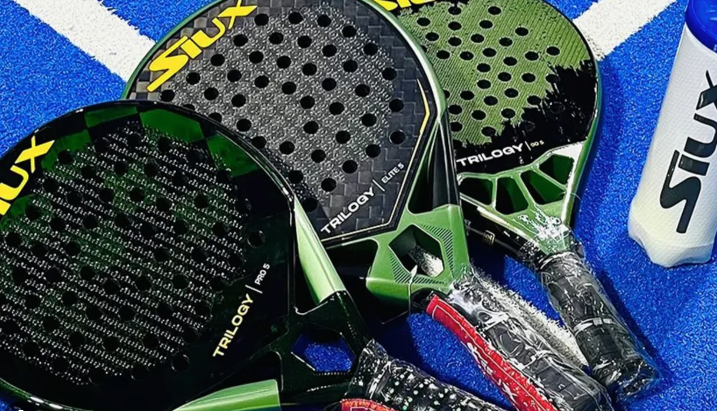
A padel racket costs between £60 and £200. Many clubs rent rackets for £3 to £5 per session. Balls resemble tennis balls but carry less pressure.
Players need trainers and standard sportswear. There is no complex string tension. There are no heavy frames.
Low kit barriers lower hesitation. People try the sport without heavy spending.
9. It Feeds the Competitive Instinct
Local leagues track wins and losses each month. Ladder systems move pairs up and down divisions. Tournaments award small trophies and social bragging rights.
Players analyse positioning after matches. They discuss serve placement over coffee. They replay key rallies in their minds during the drive home.
This mental replay forms the final hook. The body tires. The brain stays alert. Players crave another chance to correct errors and repeat great points.
Padel now sits at the centre of Britain’s club sport culture. It offers skill, sweat, and social contact in equal measure. That blend explains its hold. People try it once. They book again before the week ends.