
Padel draws thousands of new players each year across the UK. Early progress feels quick, yet many players repeat the same errors. Small fixes can lift your level fast, improve match results, and make each session more enjoyable.
This guide breaks down ten common mistakes and shows clear ways to correct them. Each point links to real match situations, so you can apply the changes straight away.
Using the Wrong Grip for Most Shots
Many beginners switch grips too often. Some use an eastern forehand grip for overheads and volleys. This limits control and slows reactions.
Adopt a continental grip for almost every shot. This includes volleys, smashes, bandejas, and viboras. The grip supports quick changes and better touch. Keep your hand relaxed and steady through contact.
Spend ten minutes before each match hitting simple volleys with this grip. Build comfort through repetition.
Playing with Dead Balls
Low-pressure balls kill rallies and reduce feedback on contact. Shots feel flat and hard to judge.
Use fresh balls where possible. If cost is a concern, store balls in a pressure device. This keeps bounce closer to new condition. Good balls help timing and reward clean technique.
Weak and Short Lobs
Short lobs invite a smash. Opponents step in and finish points with ease.
Hit lobs high and deep. Aim for the back glass. Accept that some will land long at first. Depth gives time to recover position and resets the rally. Practice with a partner and count how many lobs land within one metre of the back wall.
Serving and Staying at the Back
Some players serve and wait behind the baseline. This hands control to the returner.
Serve and move forward straight away. Reach the net with balance and ready hands. A firm first volley puts pressure on the return. Build this habit in every game.
Hovering in No Man’s Land
The area near the service line causes trouble. Balls dip at your feet and force weak replies.
Make a clear choice. Step forward to the net or drop back to defend. Stay alert to court speed. Fast surfaces with lively bounce may allow short pauses in this zone, yet caution remains wise. Clear positioning wins more points over time.
Standing Too Far from the Net on Volleys
Players often stop two or three metres from the net. This gives opponents extra time.
Close the distance when an easy ball arrives. Step in and meet the ball early. Use body weight through the shot. This takes time away from rivals and opens space behind them.
Poor Body Position on Overhead Shots
Facing the net during smashes and bandejas leads to weak contact. The swing loses shape and power.
Turn your body to the side. Prepare early and track the ball with your non-hitting arm. This position supports a smooth swing path and better control.
Where should you meet the ball? Move under it for smashes and strike above your head. For viboras and bandejas, shift slightly left so the ball sits to the right of your body. This creates a natural swing arc.
Passive Defence and Poor Movement
Beginners often stand tall and react late. Low balls become hard to lift.
Bend your knees deeply. Get low with strong leg work. This helps you scoop balls off the glass and keep rallies alive. Many points are saved through effort alone.
When a high smash comes your way, read it early. Start moving before impact. Run along the side fence and avoid the direct line of the ball. Early movement gives a chance to retrieve shots that seem lost.
A Soft First Serve
A gentle first serve hands the initiative to the returner. Points start on the back foot.
Hit your first serve with intent. Aim for depth and placement. A strong serve forces a weaker return, which sets up an easy volley. Keep a reliable second serve for safety. Aim for a high first serve success rate through practice, not caution.
Neglecting Equipment and Match Habits
Small details affect performance. Many players ignore them.
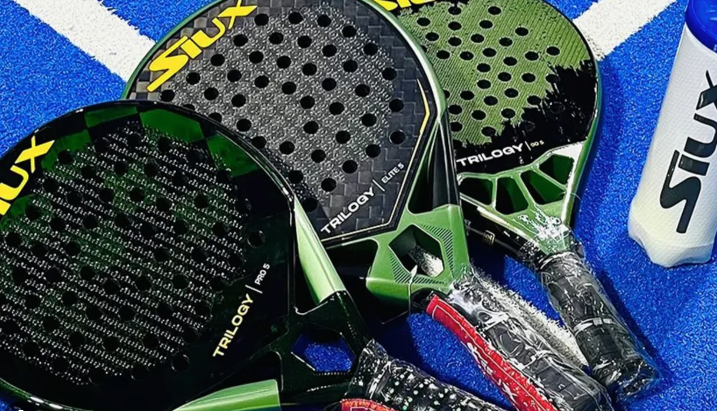
Change your overgrip every month, or at least every two months. A clean grip improves control. Choose a racket that you can swing fast and handle with ease. A balanced control and power frame suits most beginners better than a heavy power model.
Wear proper padel shoes. They provide grip and protect joints. Running shoes lack lateral support and increase injury risk.
Carry a towel and manage sweat. Drink water after each set. Add a pinch of salt and sugar if you feel drained. Warm up for ten minutes with light running and simple movements. This prepares your body for quick starts.
Talk to your partner during points. Share positions and call balls early. Accept feedback with a calm mind. Good pairs improve through clear communication.
Stay honest and show fair play. Respect calls and treat opponents well. Strong habits build a better match for everyone.
Final Thoughts
Padel rewards smart choices and steady habits. Each correction in this list brings clear gains. Focus on one or two changes each week. Track your progress during matches and practice sessions.
Players across cities such as Derby, Nottingham and Newcastle show rapid improvement with these simple adjustments. Consistency beats flair at this stage. Build solid basics, and results will follow.